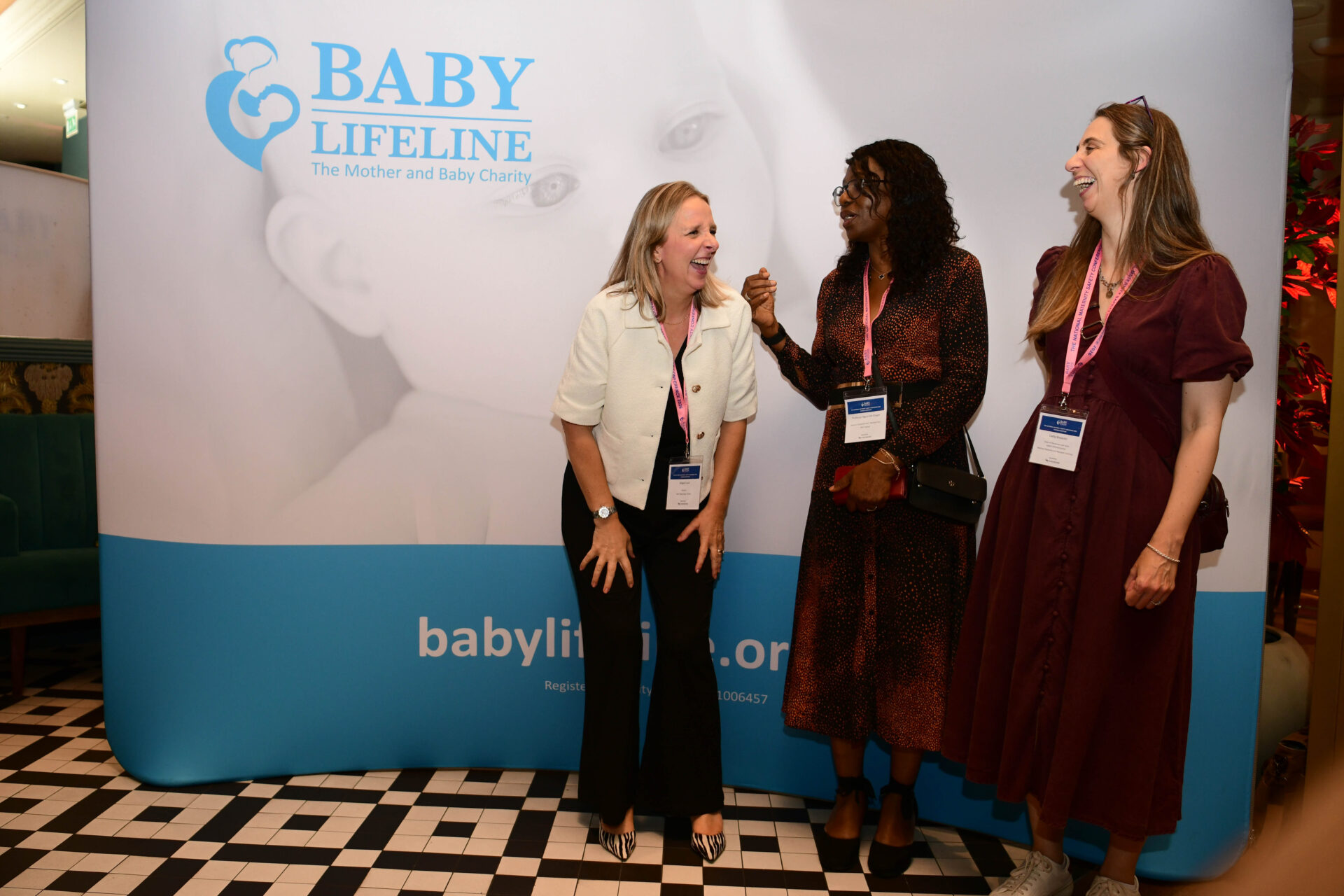
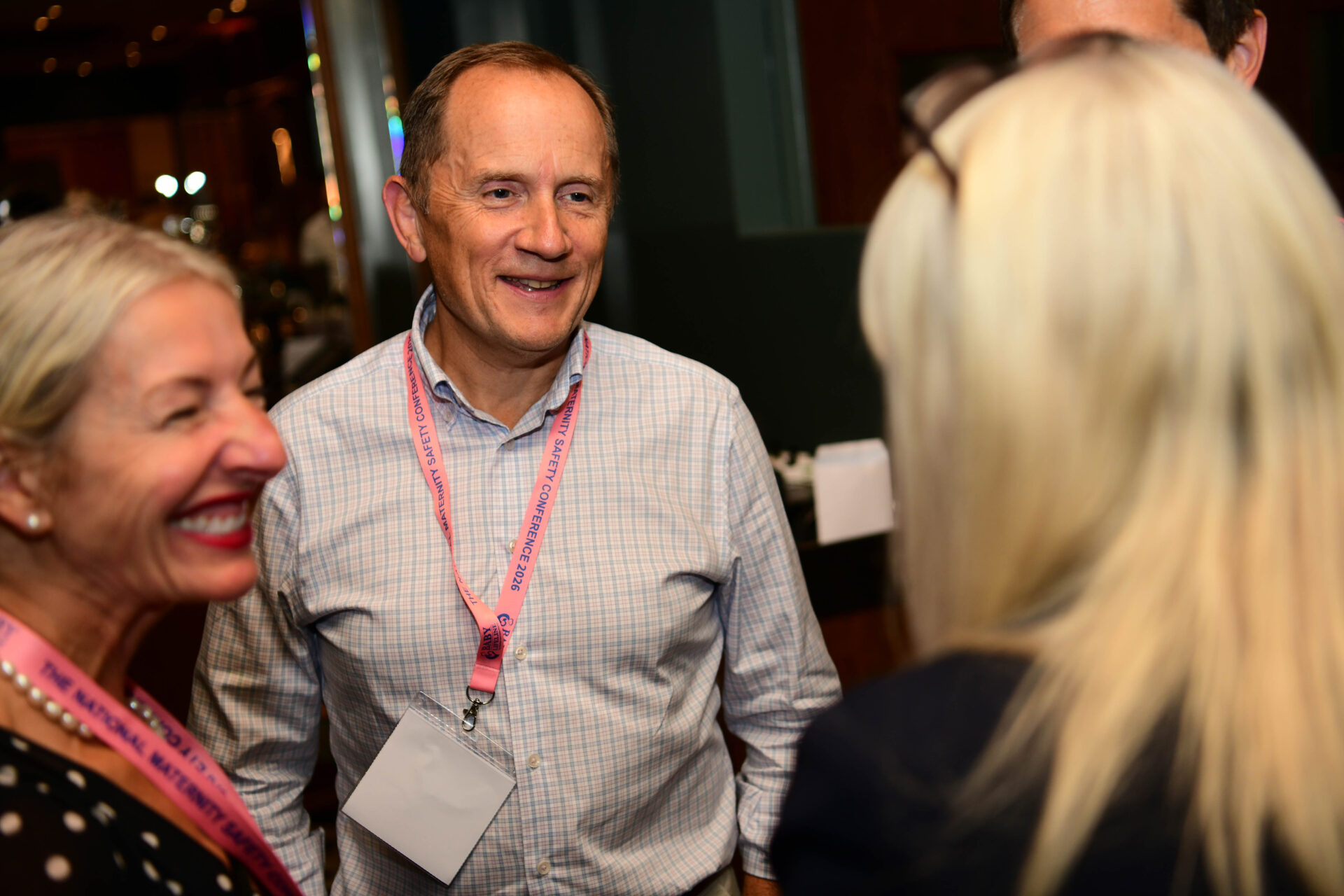
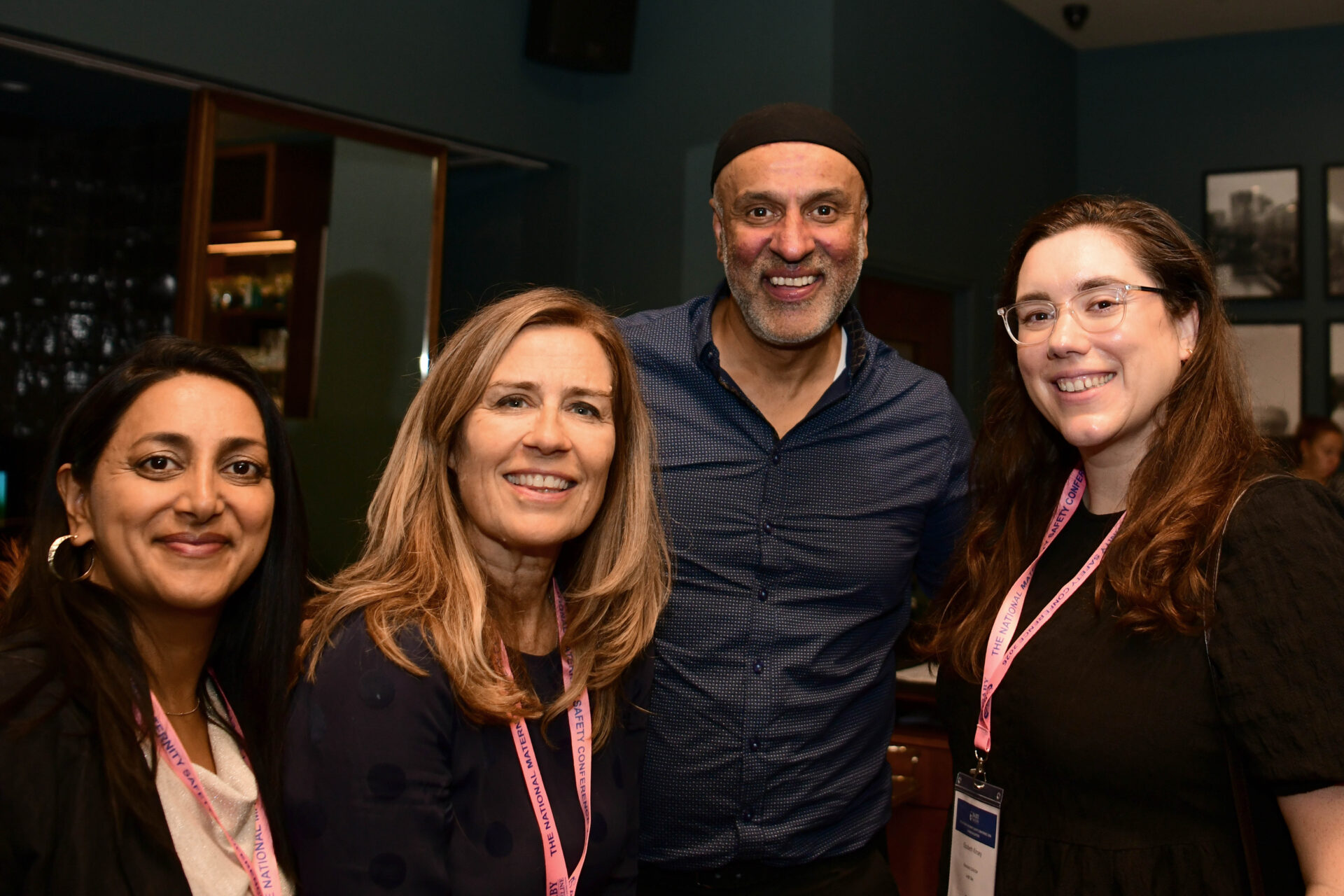
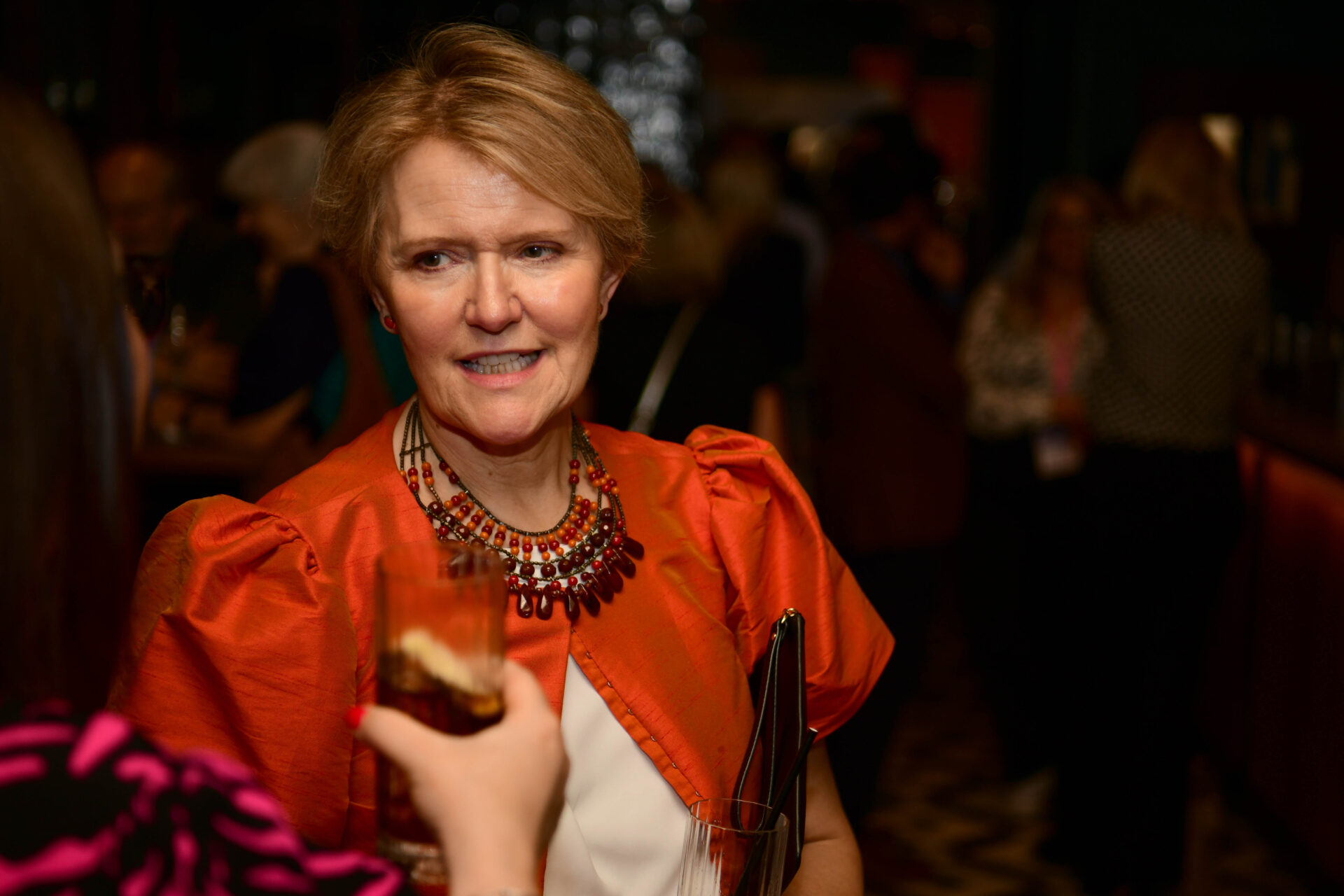
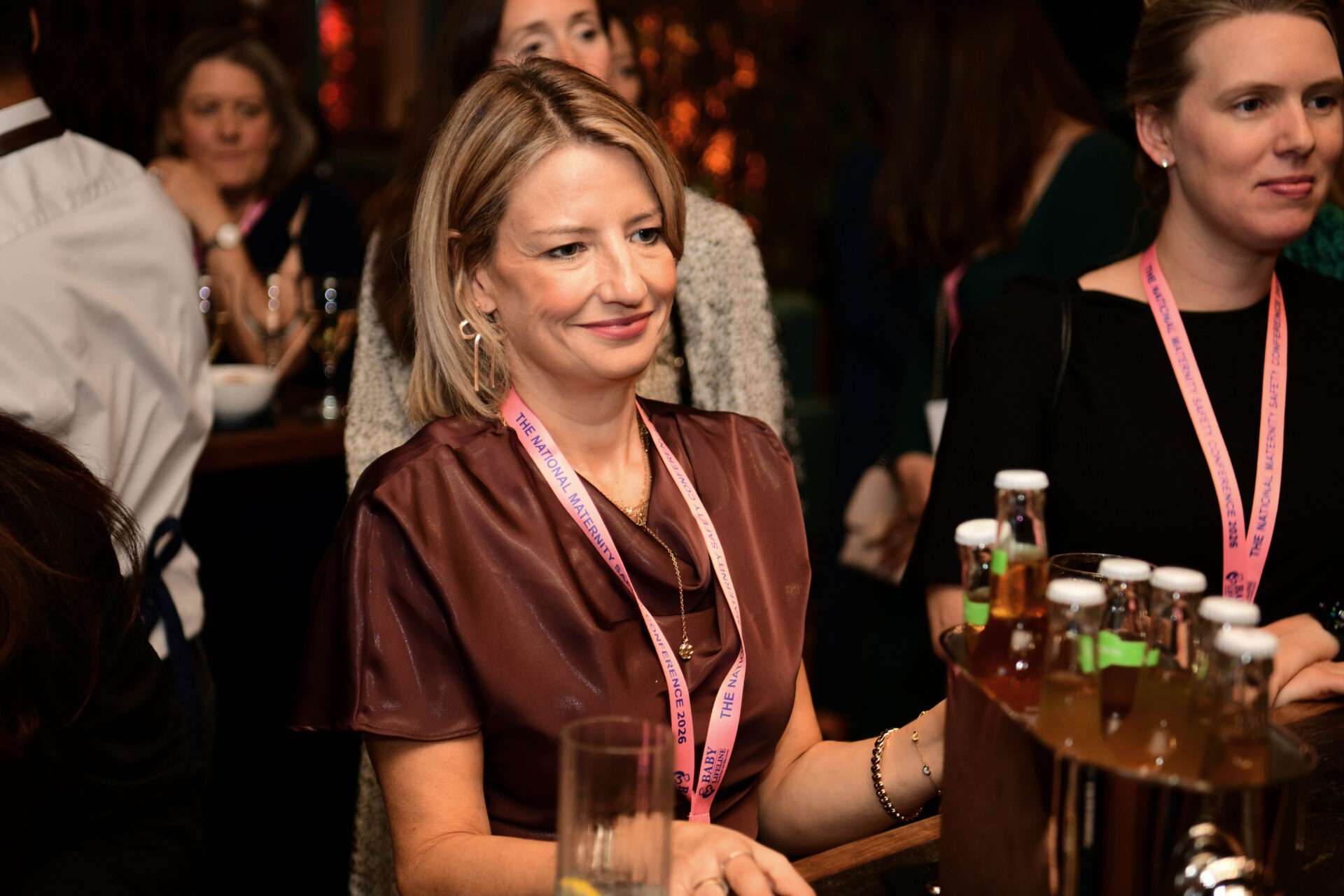
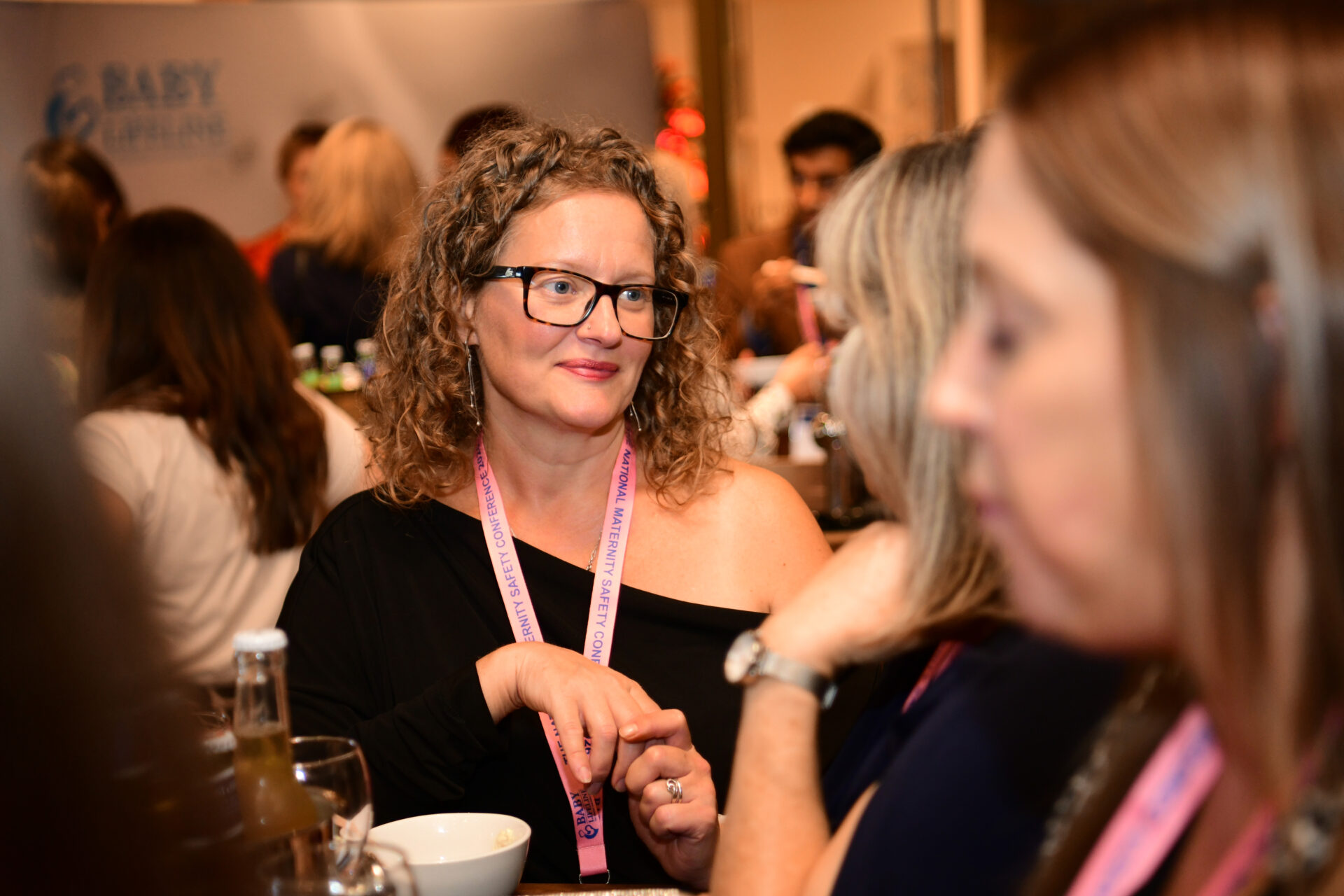
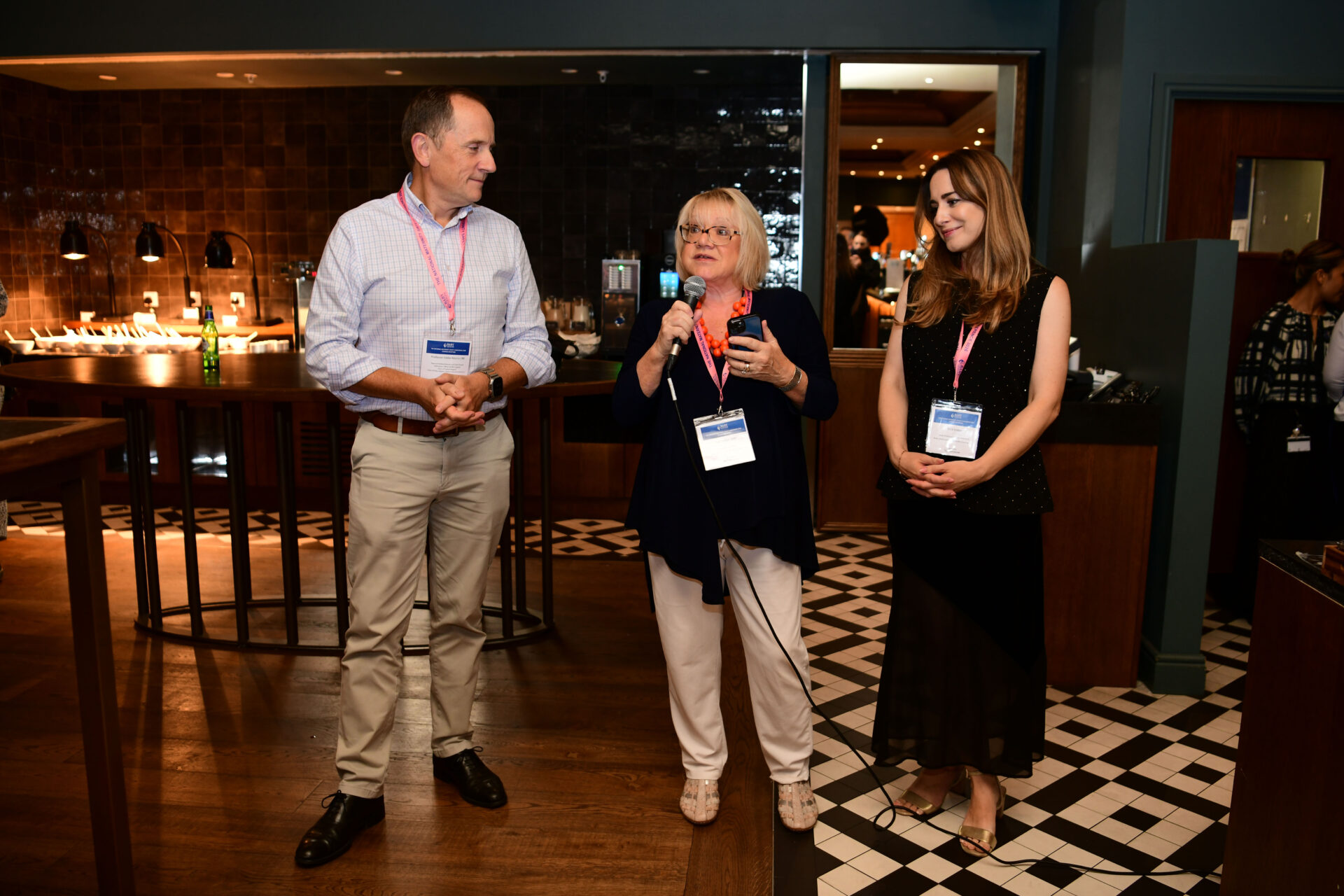
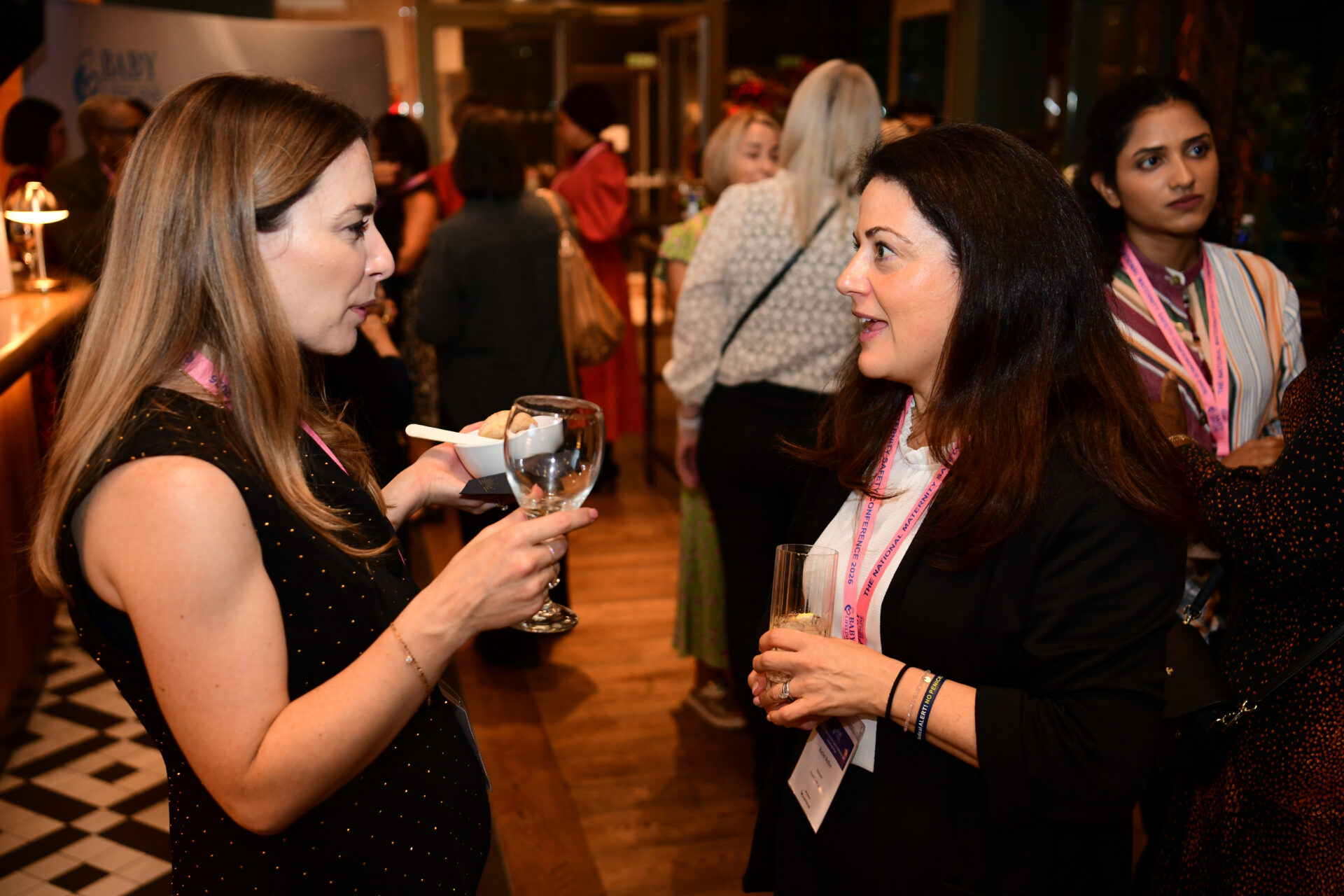
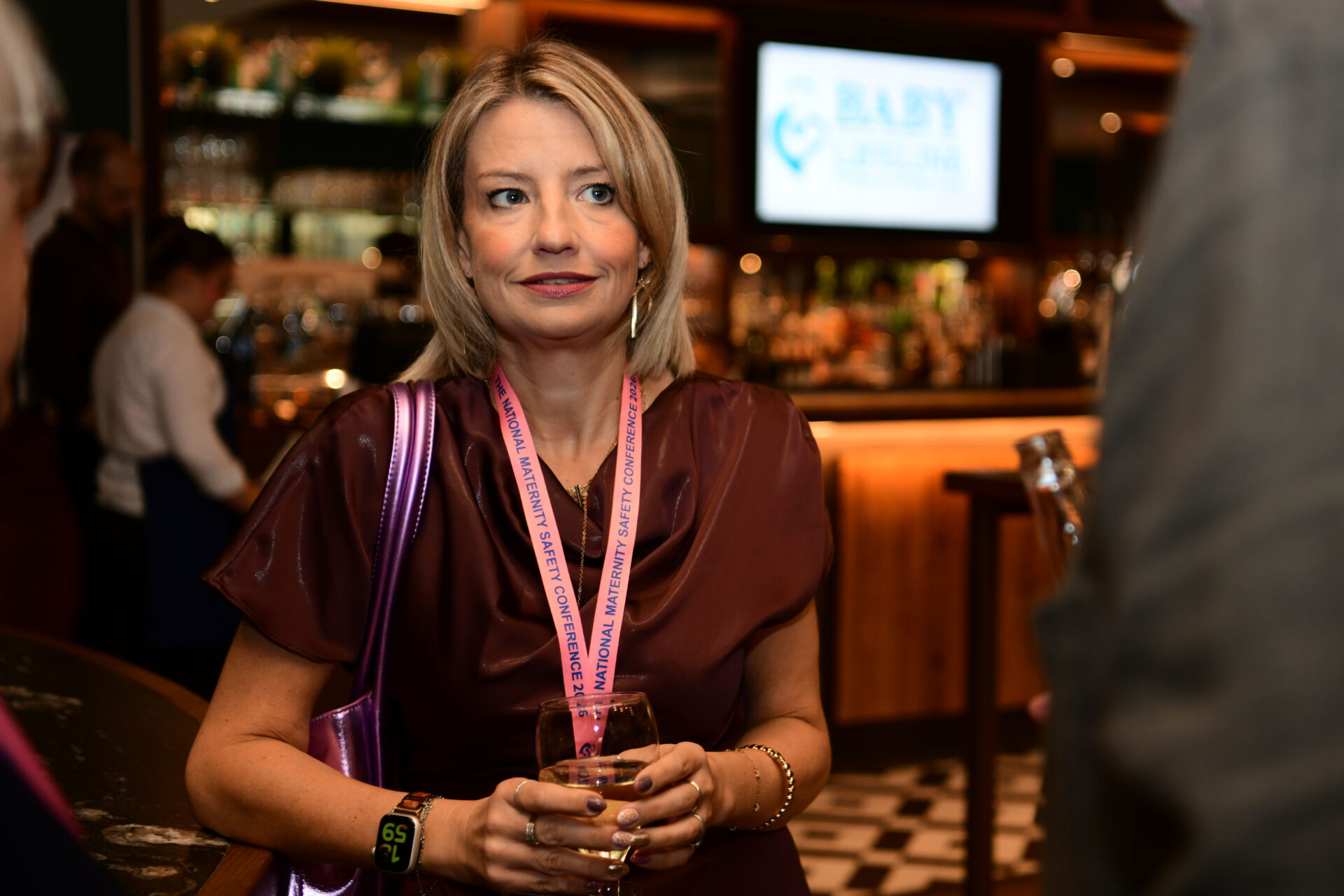
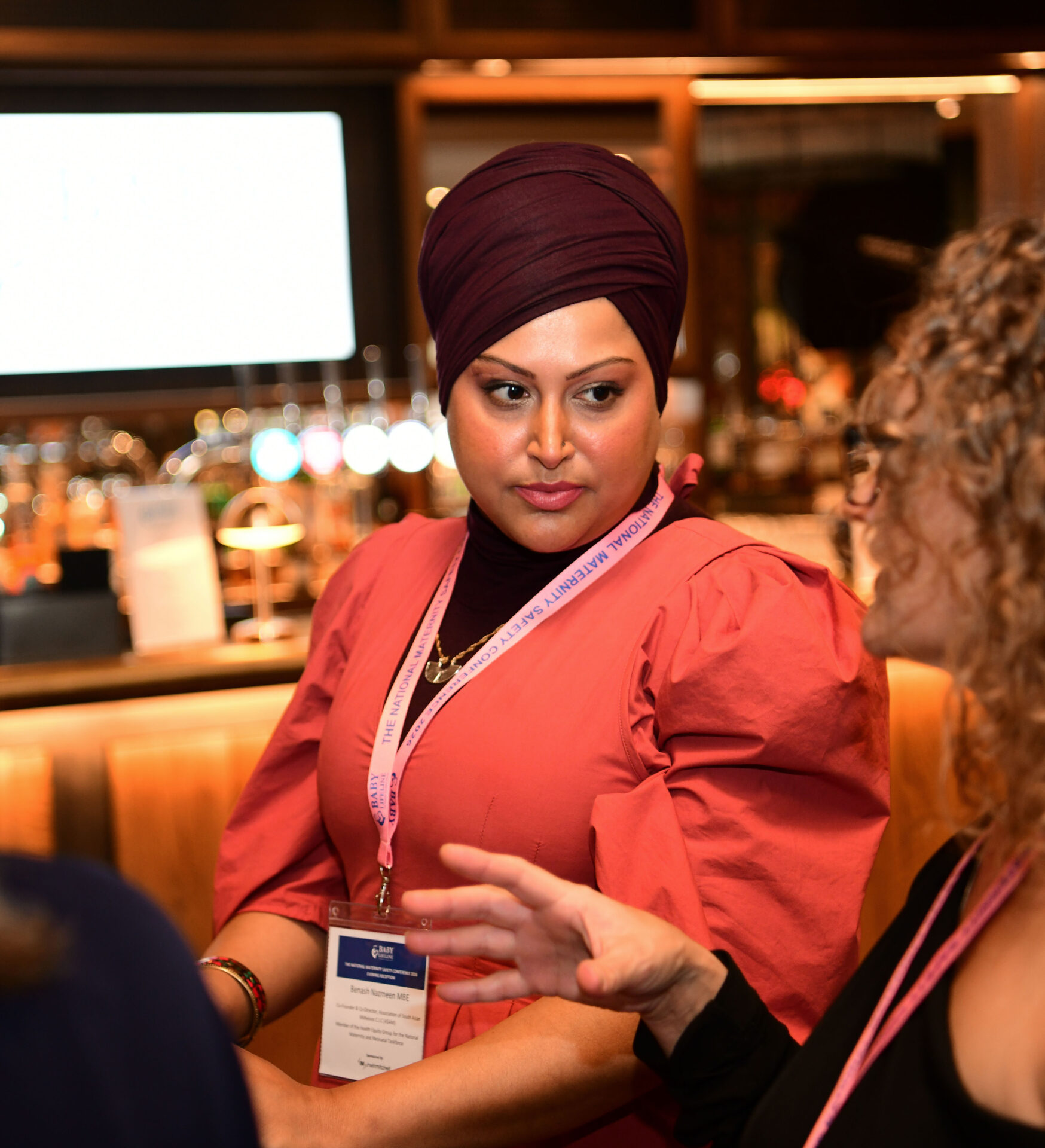
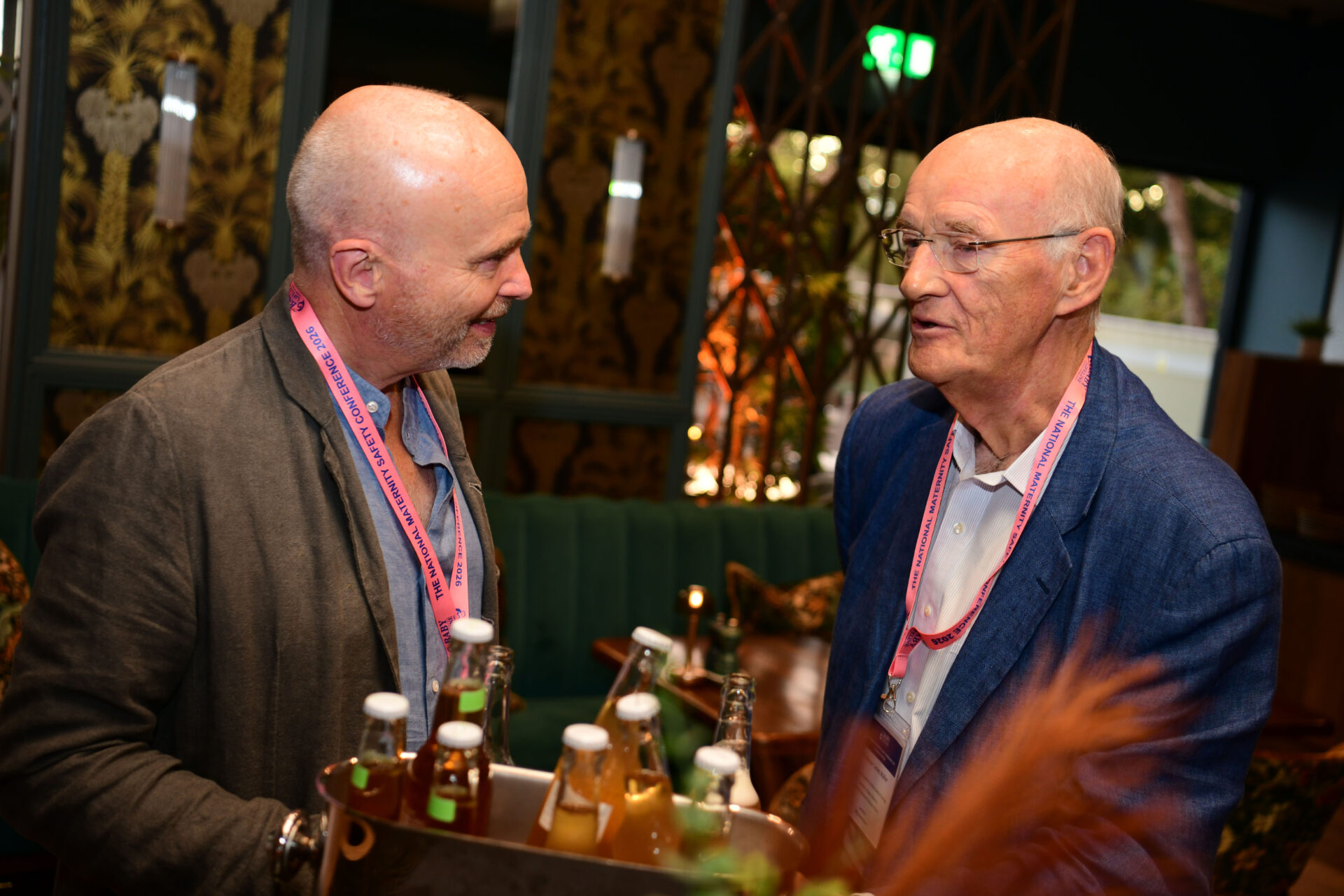
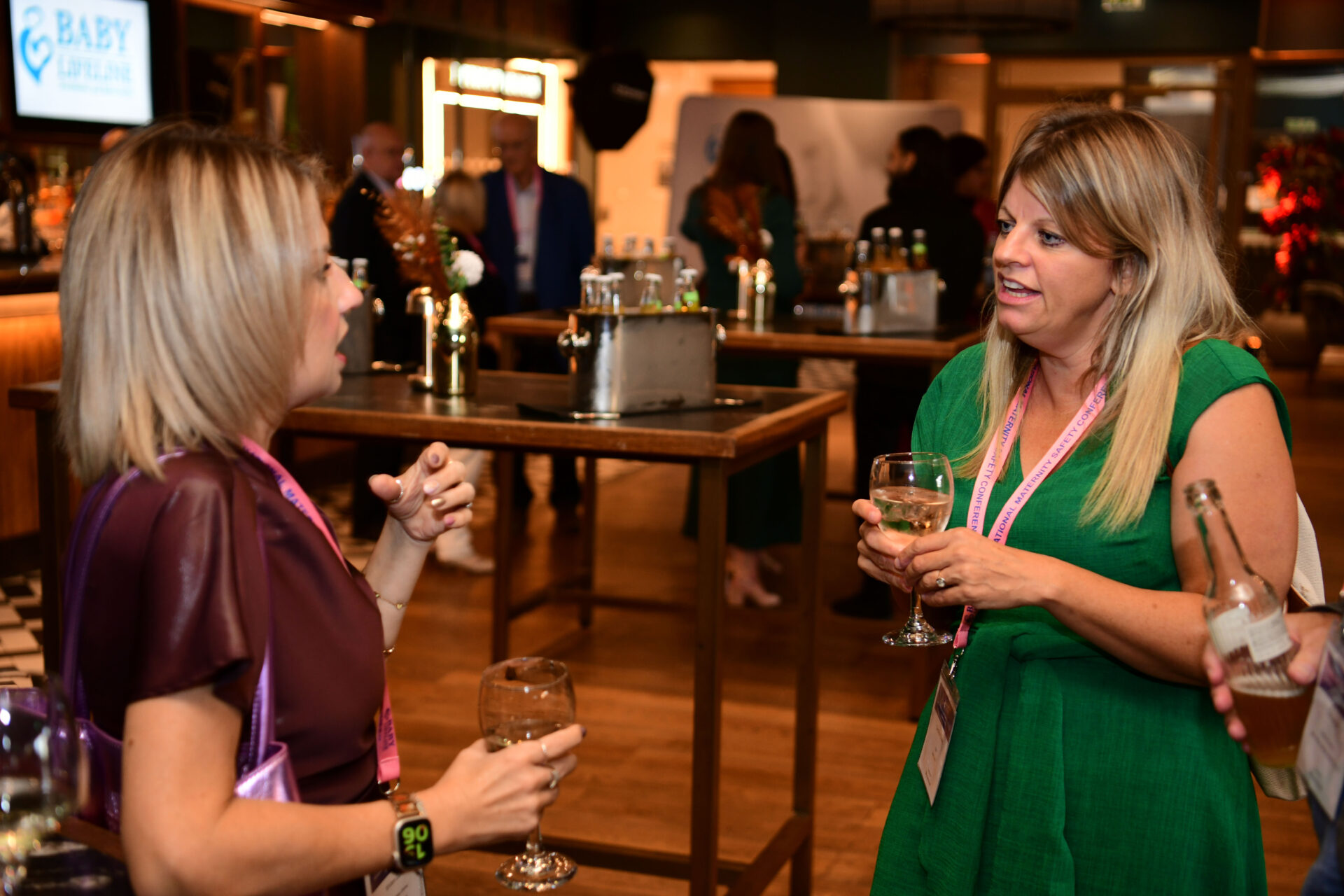
Yesterday, Health Secretary Yvette Cooper called for urgent reform across maternity services at Baby Lifeline’s seventh annual National Maternity Safety Conference, telling delegates that mothers and babies must never be treated as “second-class patients” and that maternity care must become a core NHS priority.
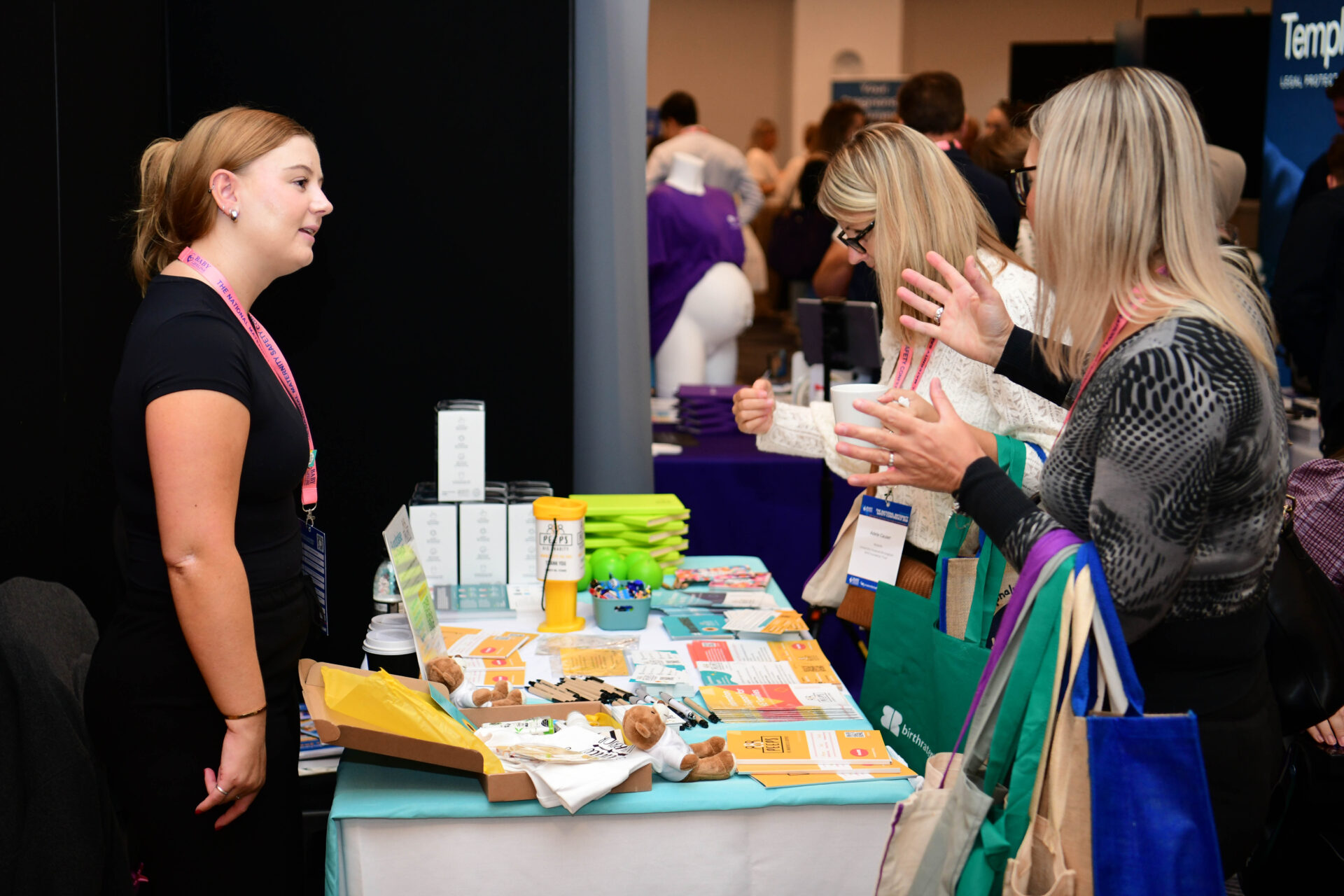
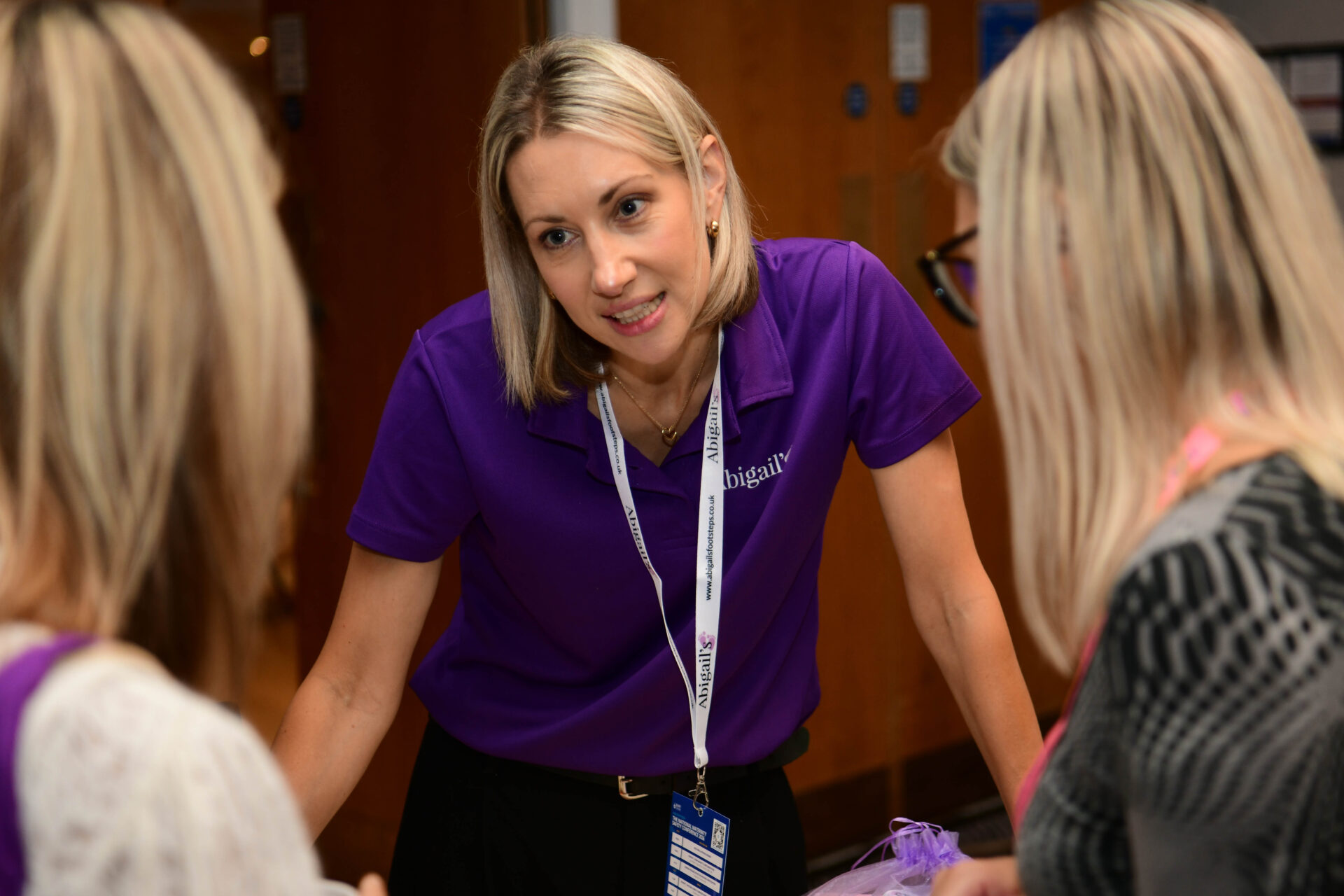
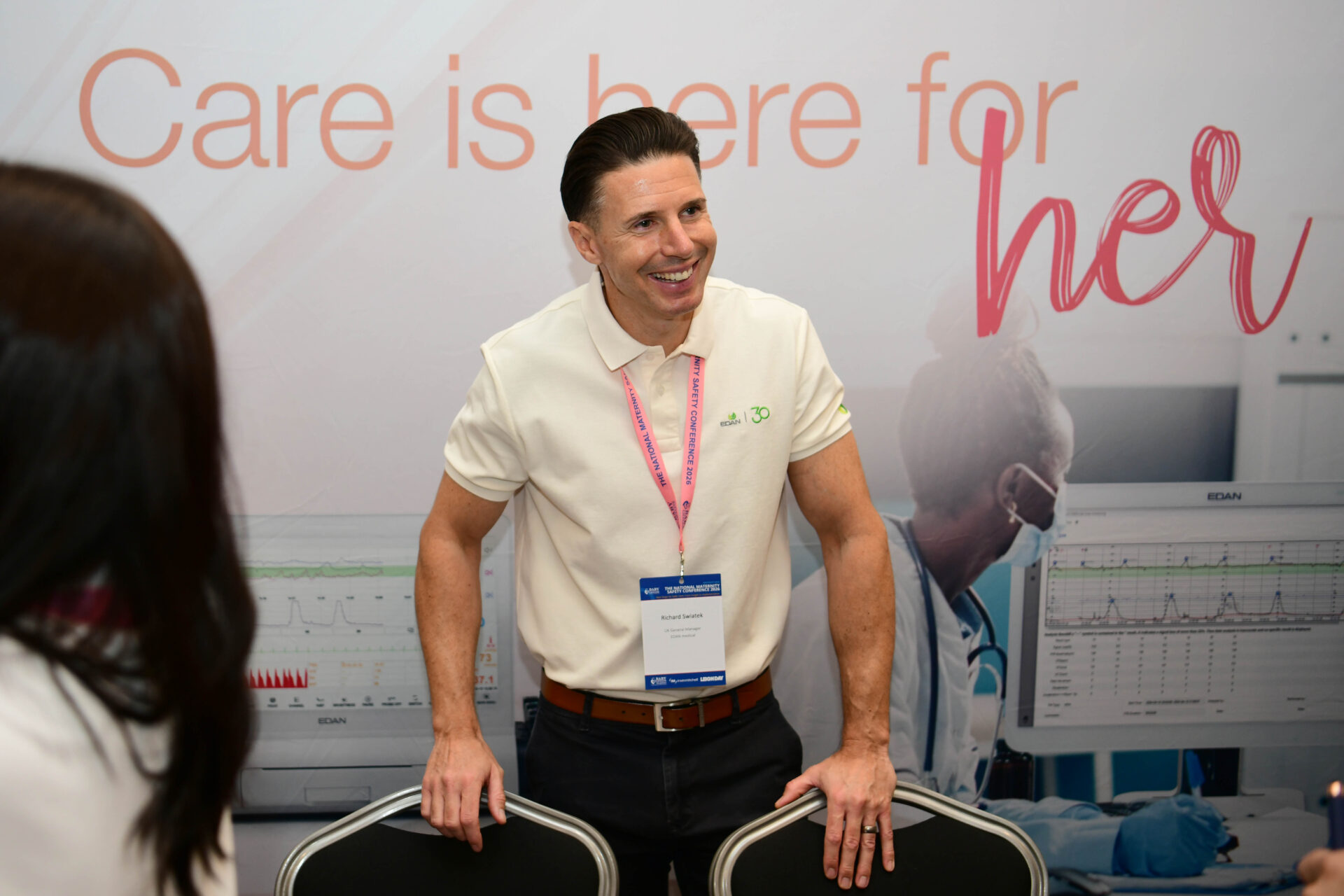
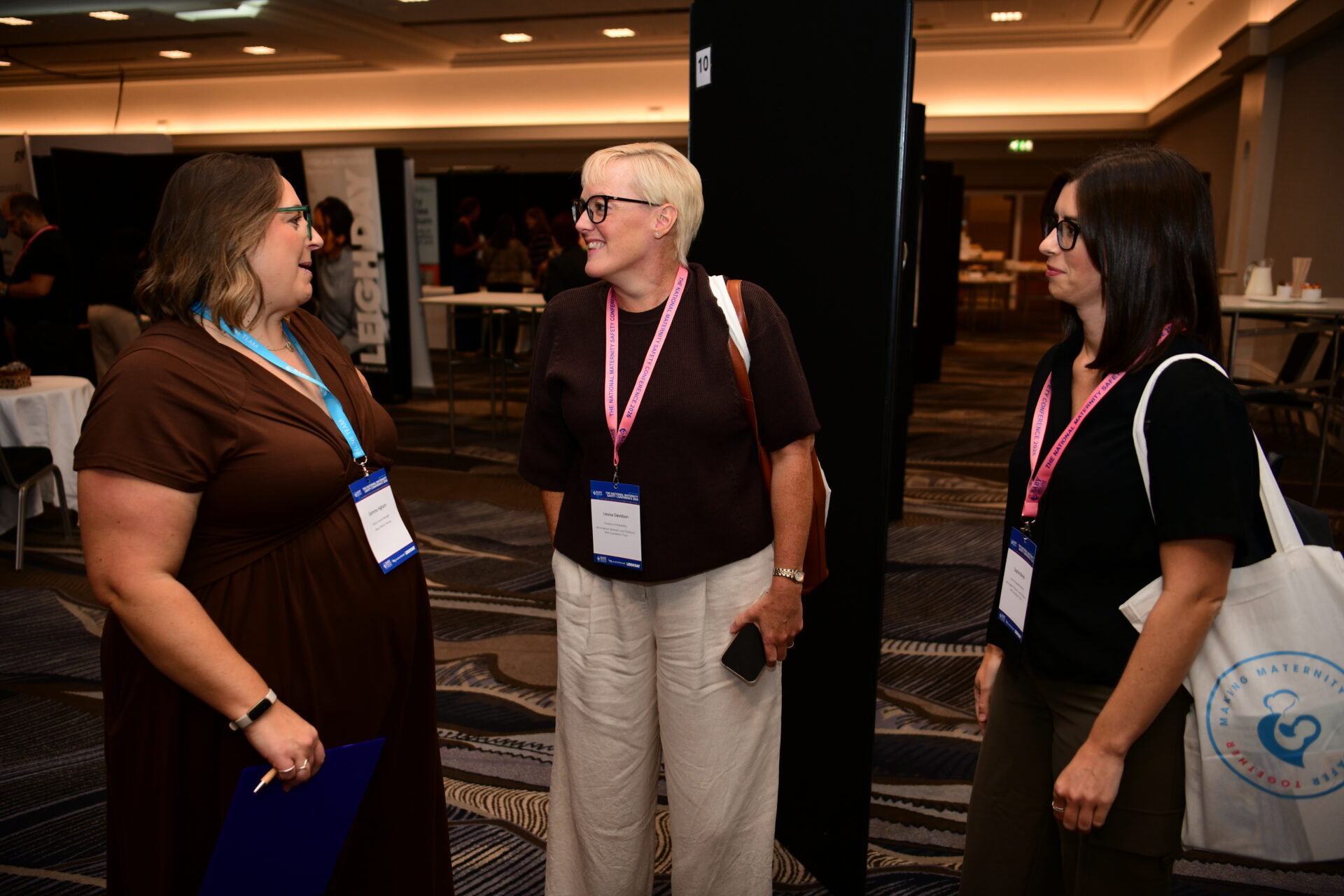
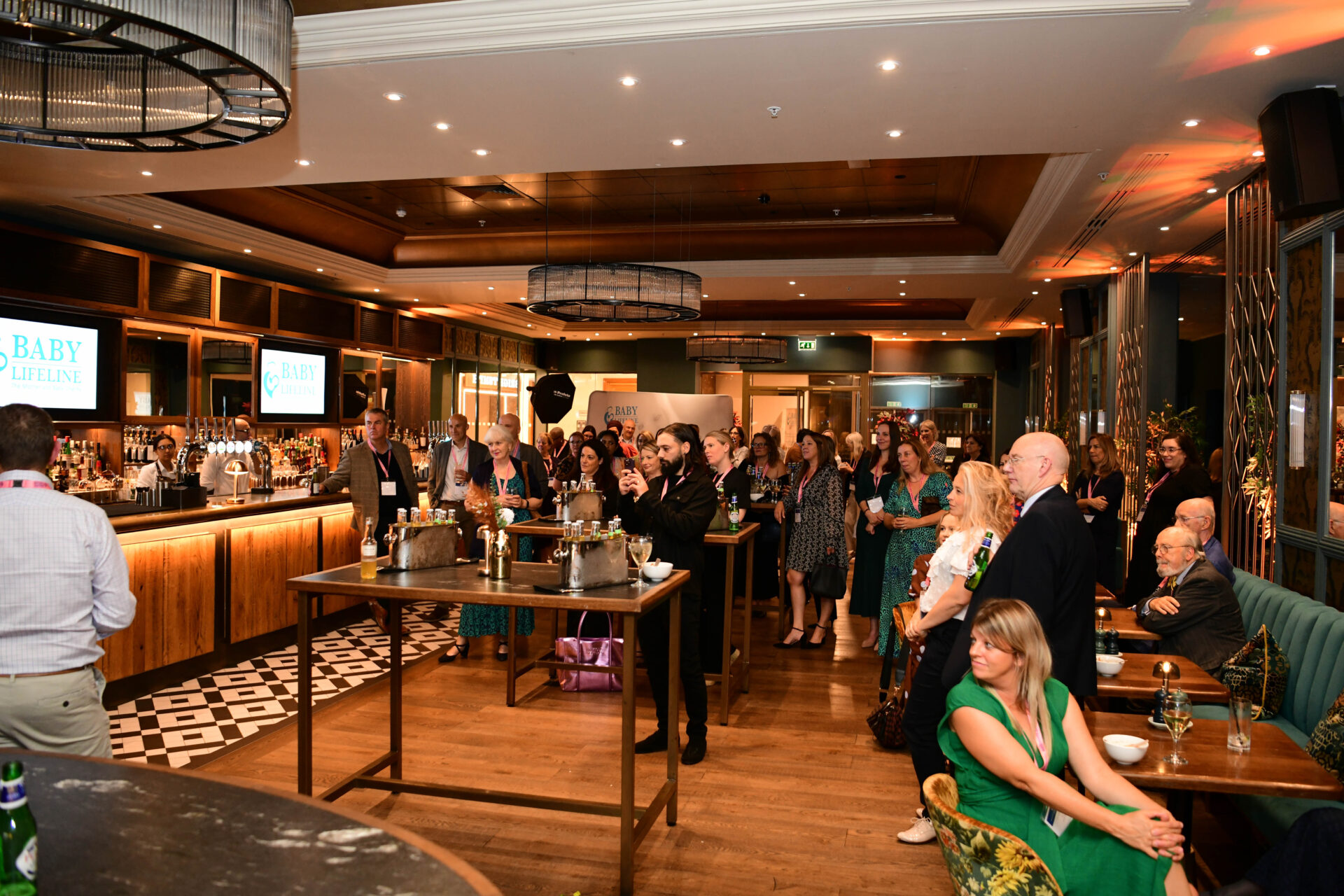
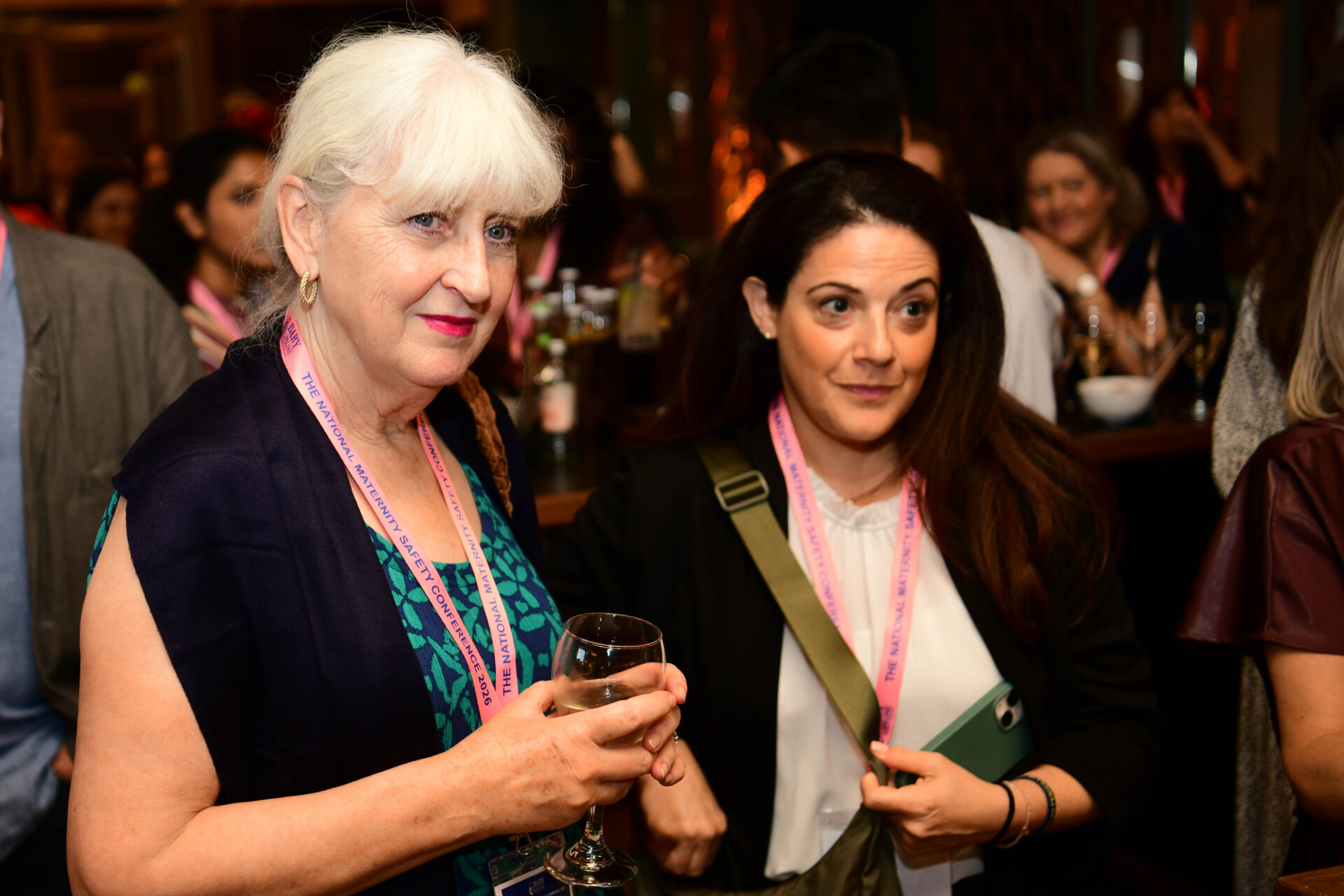
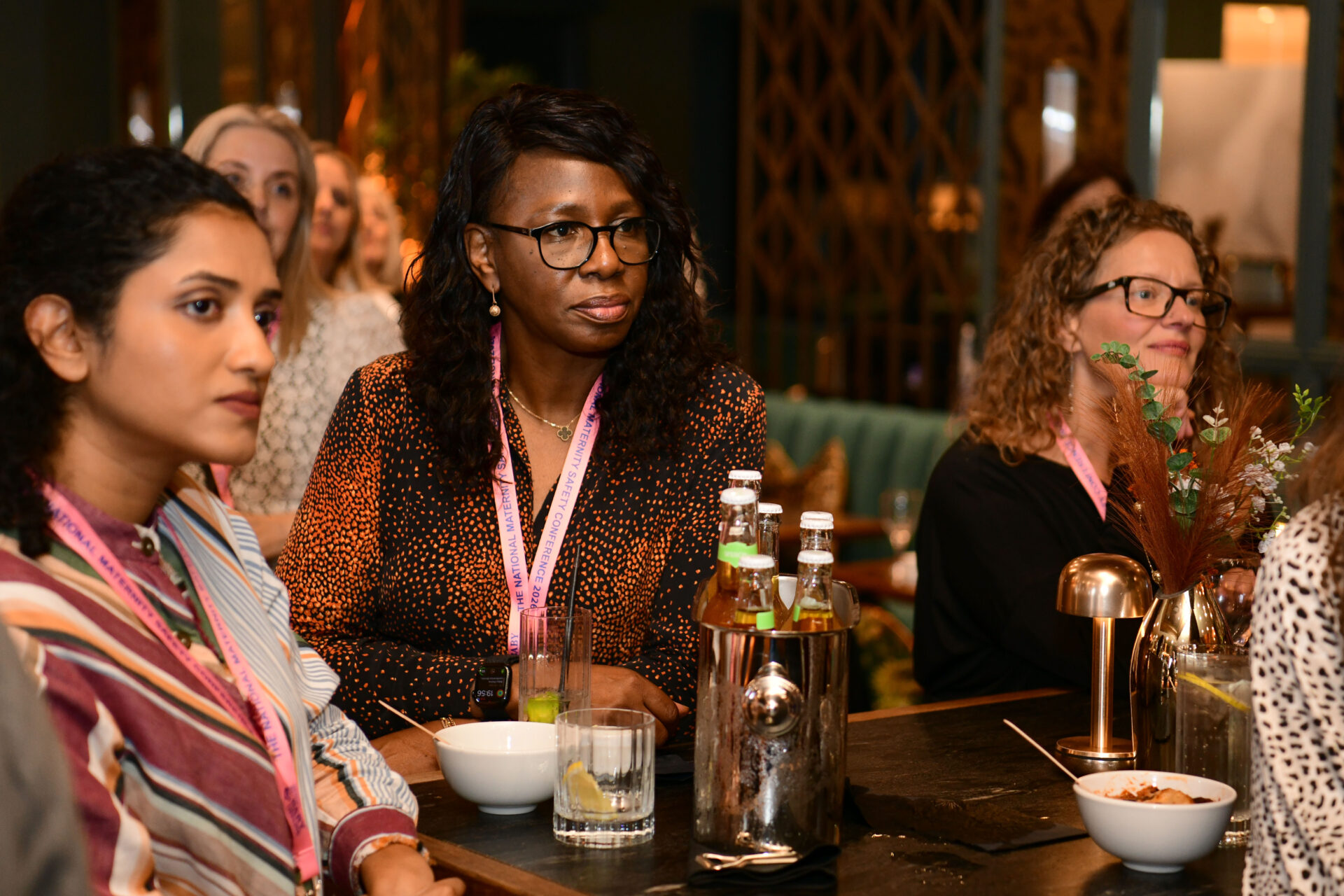
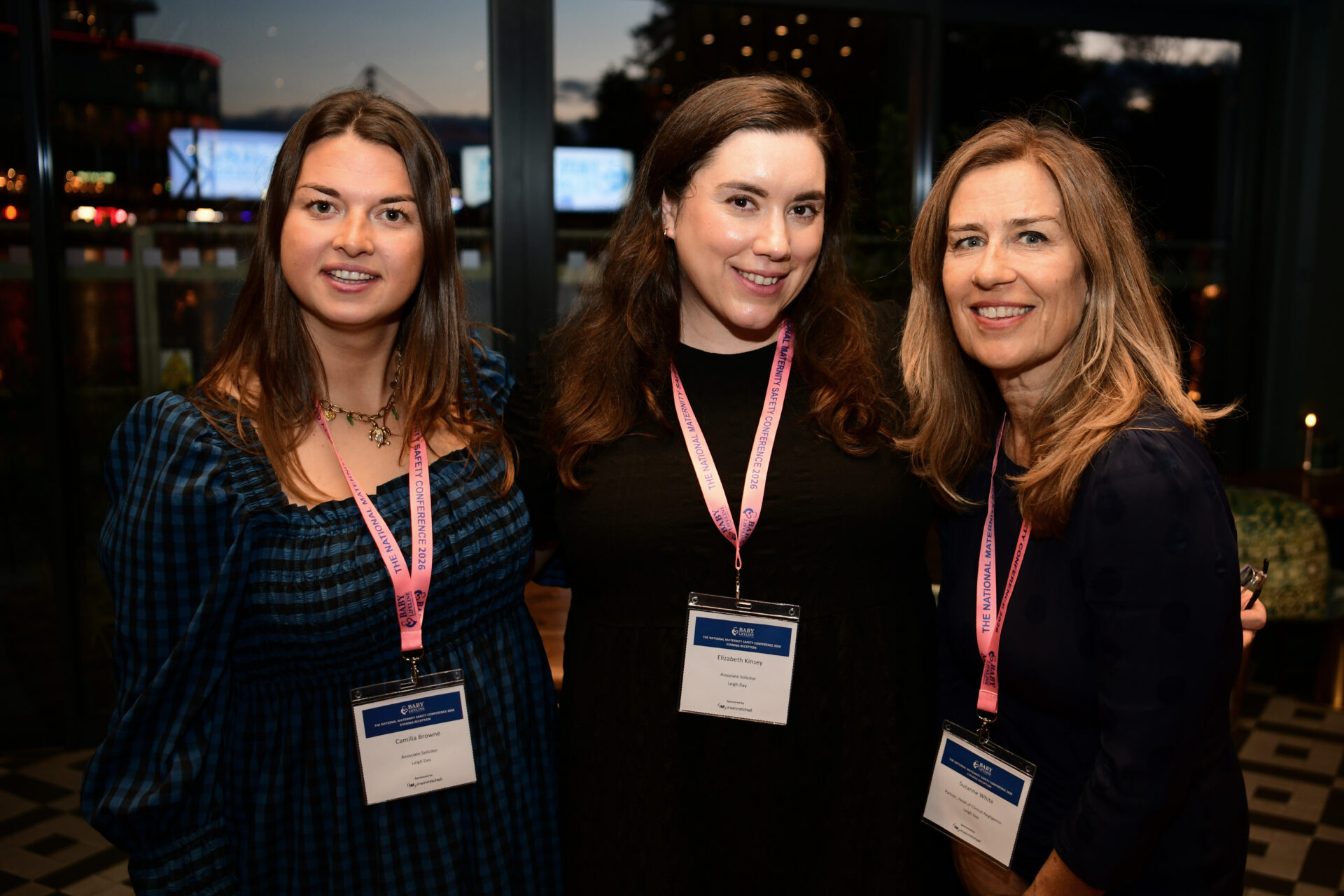
The sold-out event brought together 400 NHS professionals, researchers, policymakers, maternity leaders and families to explore the theme Next Steps for Safer Care: From Insight to Implementation. Discussions focused on how learning, evidence and recommendations can be translated into practical action that strengthens care and safety for women, birthing people, babies and families.
In the opening keynote, From Insight to Implementation, Sue Holden and Denise Chaffer explored how maternity and neonatal services can turn learning into action by fostering collaboration, strengthening a culture of safety and trust, and ensuring evidence-based improvements are embedded in practice.
The morning plenary, Driving Progress Following the National Investigation, featured an opening address from Secretary of State for Health and Social Care Yvette Cooper. Setting the tone for the day, she highlighted the importance of sustained improvement across maternity and neonatal services and stressed that maternity care must be recognised as a core NHS priority.
“Mums and babies must never, never be seen as second-class patients. Maternity services and all that goes with them, and all the support for families, must be seen as a central priority not just for me but for all of the NHS…”
Following her address, she took questions from the floor, engaging directly with delegates and responding to issues raised by professionals, system leaders and service users from across the UK. The conversation then continued with members of the National Maternity and Neonatal Taskforce and national leaders, who reflected on what needed to be different this time following the national investigation into maternity and neonatal services.
The day brought together an impressive line-up of national experts from across maternity, neonatal care, patient safety, research and advocacy. Speakers included India Rakusen, Kimberley Nixon, Kate Brintworth, Professor Alex Heazell, Professor Marian Knight MBE, Gill Walton CBE, Dr Alison Wright, Dr Eddie Morris CBE, Clea Harmer MBE, Sue Holden and many others, offering perspectives from frontline practice, national leadership and lived experience.
The programme explored some of the most significant challenges and opportunities facing maternity and neonatal care today. Sessions examined progress following recent national investigations, ongoing work to reduce perinatal mortality, and the practical realities of implementing improvements in safety, quality and equity across services. Discussions focused not only on identifying areas for improvement but on creating the conditions needed for sustainable change.
In the keynote session, “She Seems Fine to Me”, Kimberley Nixon and Dr Chrissy Jayarajah joined journalist India Rakusen to shine a light on the often-unseen realities of perinatal mental health. Their conversation underscored the importance of recognising the experiences of women who may appear to be coping on the surface, while ensuring their voices are heard and their needs are understood.
The conference placed a strong emphasis on listening to and learning from women and families. Sessions on embedding women’s voices in maternity safety reinforced the importance of co-production, meaningful engagement and ensuring that lived experience plays a central role in shaping safer services.
Throughout the day, delegates heard examples of innovation, research and quality improvement initiatives designed to bridge the gap between insight and implementation. The concluding session, “Insight into Action: The ABC Programme”, showcased how evidence and learning can be translated into practical approaches that strengthen safety and support better experiences of care across maternity and neonatal services.
The conference closed with a shared recognition that, while maternity and neonatal services continue to face significant challenges, there is also a wealth of knowledge, expertise and evidence to build upon. The focus now is on ensuring that learning is consistently translated into action, strengthening the safety, quality and experience of care for women, babies and families.
Judy Ledger, CEO & Founder of Baby Lifeline, reflected on the day:
“What stood out throughout the day was the shared commitment to making maternity care safer for every family. This conference brought together an extraordinary community of people united by a common goal: improving care and outcomes for women, birthing people, babies and families.
The willingness to share learning, listen to different perspectives and work together to drive improvement gives us real confidence that progress is possible. Our focus now is on turning that collective commitment into meaningful and lasting change across maternity care.”
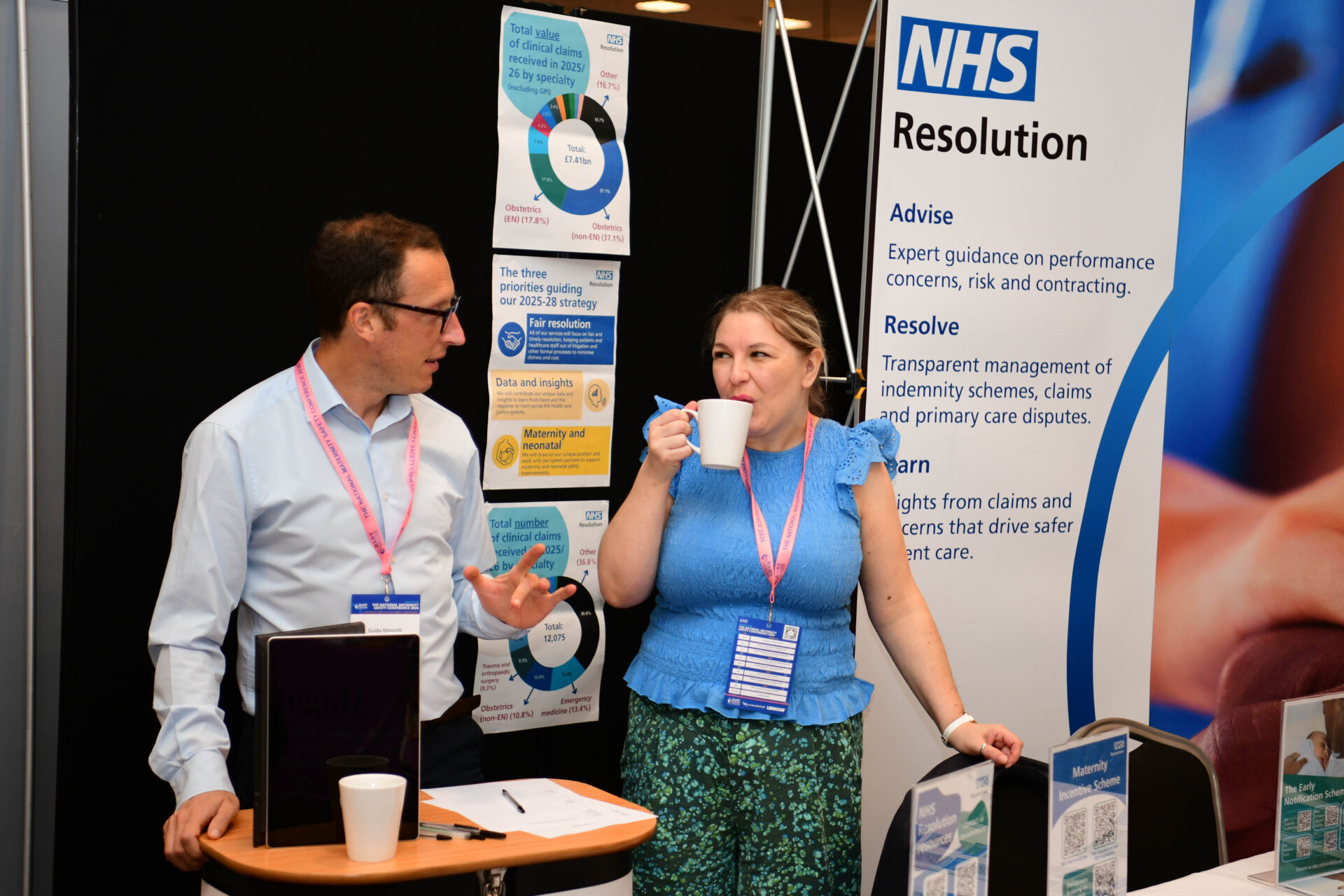
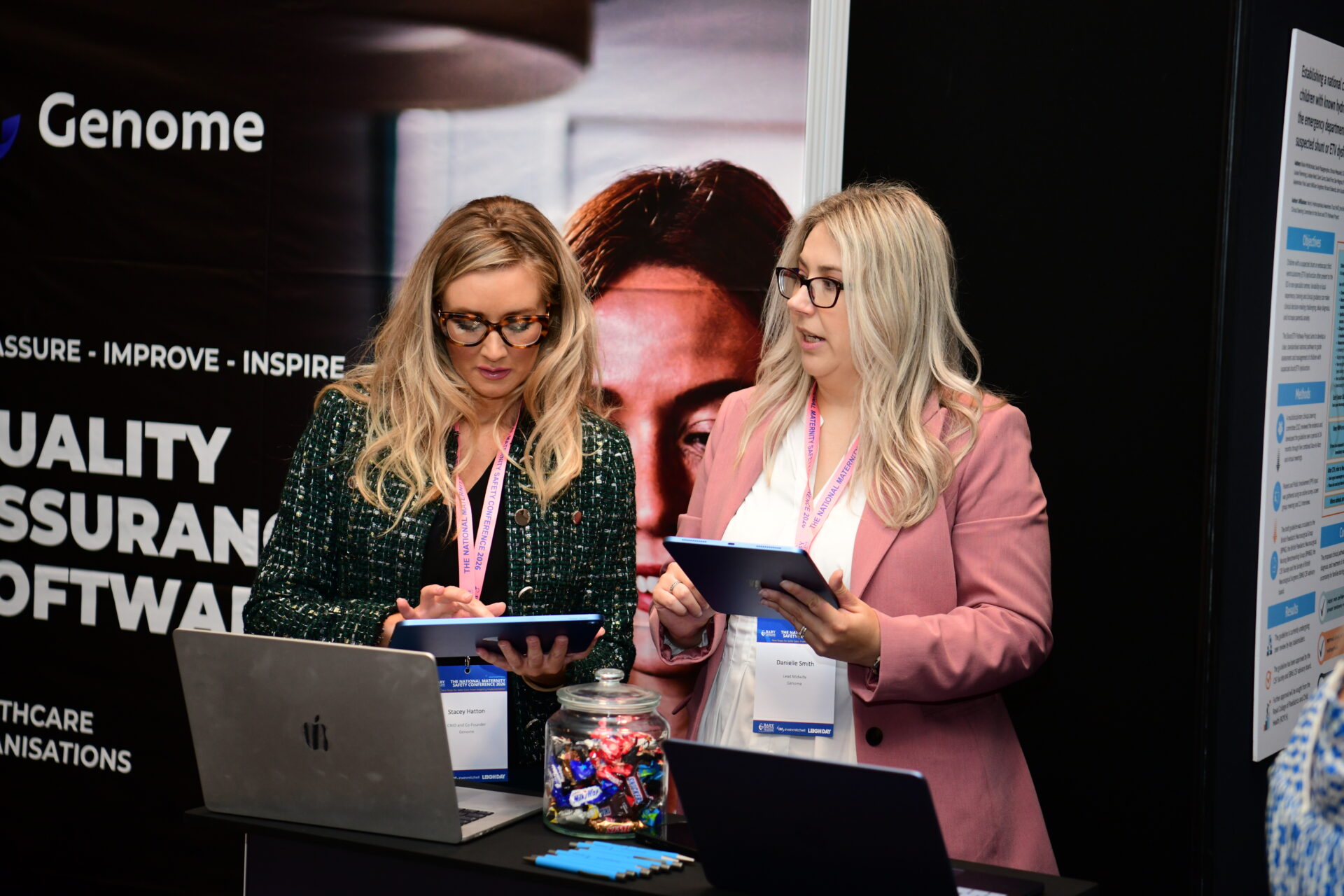
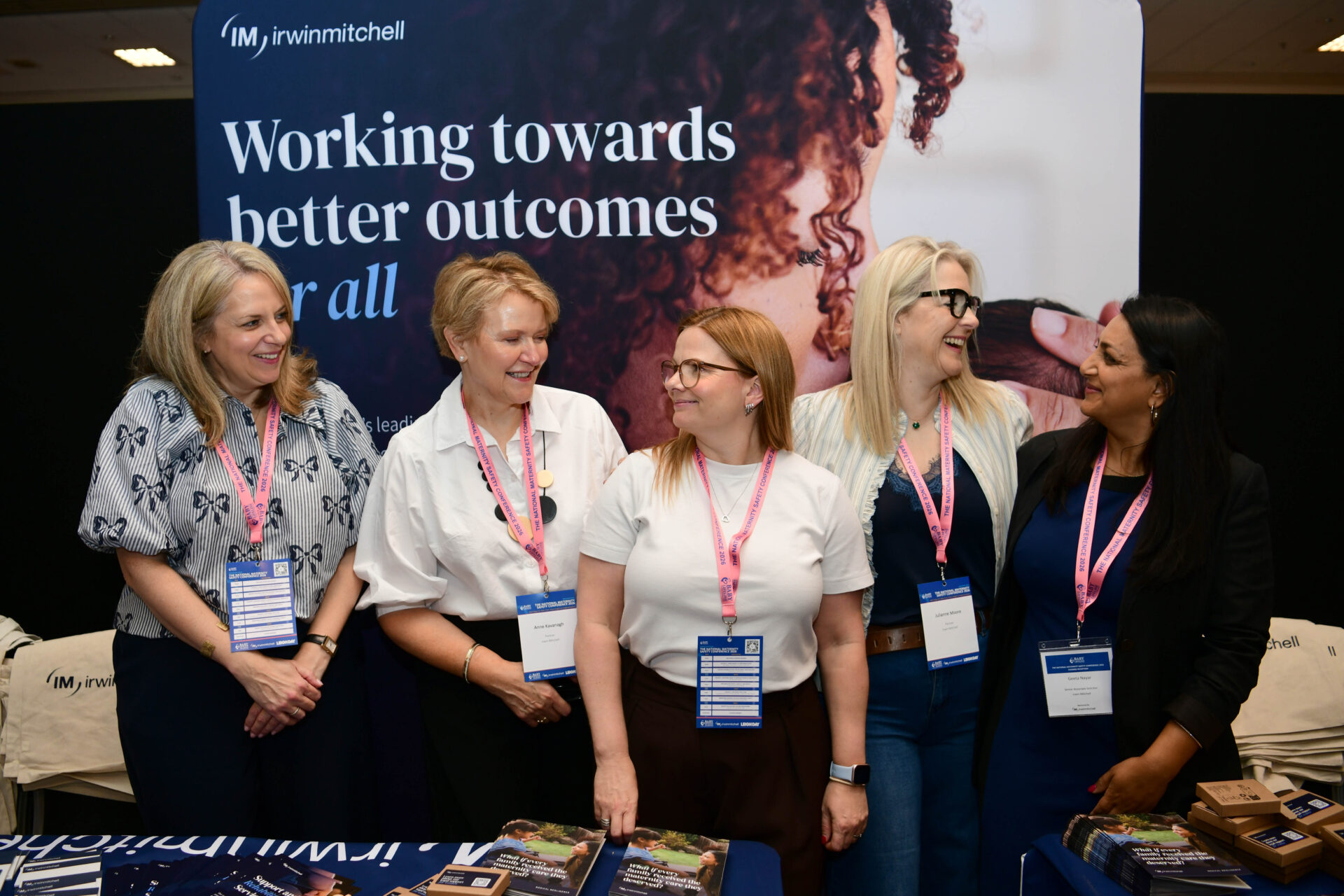
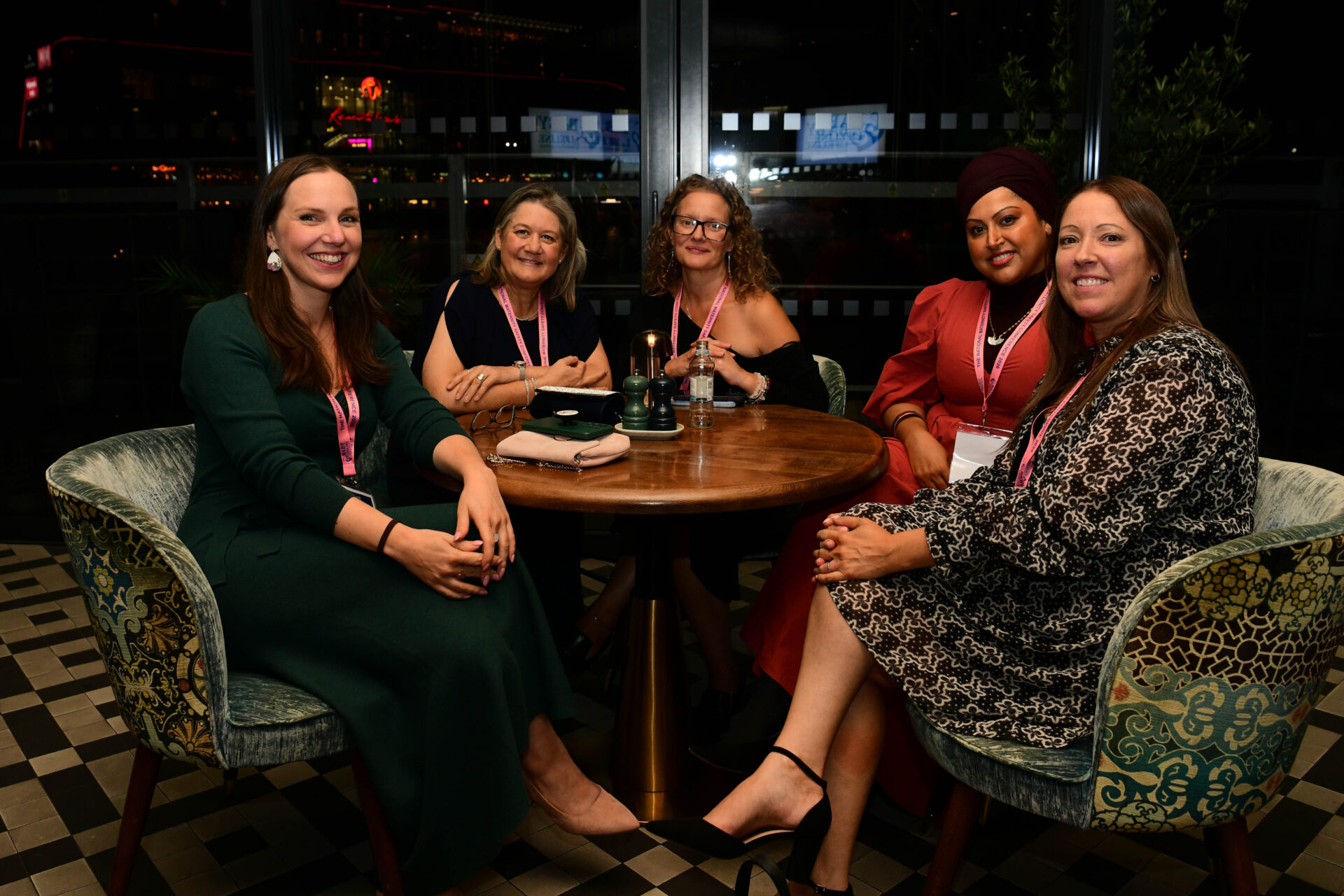
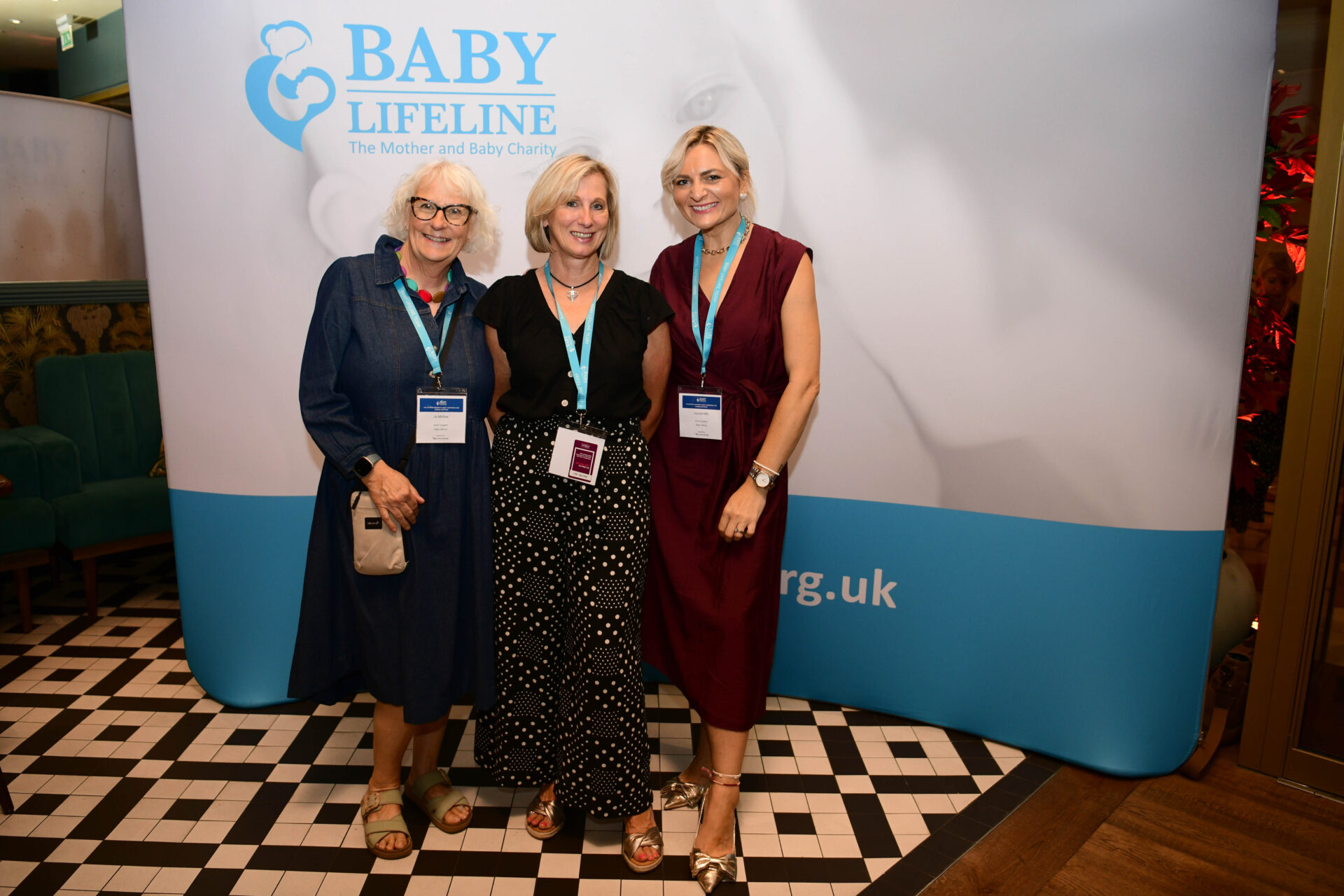
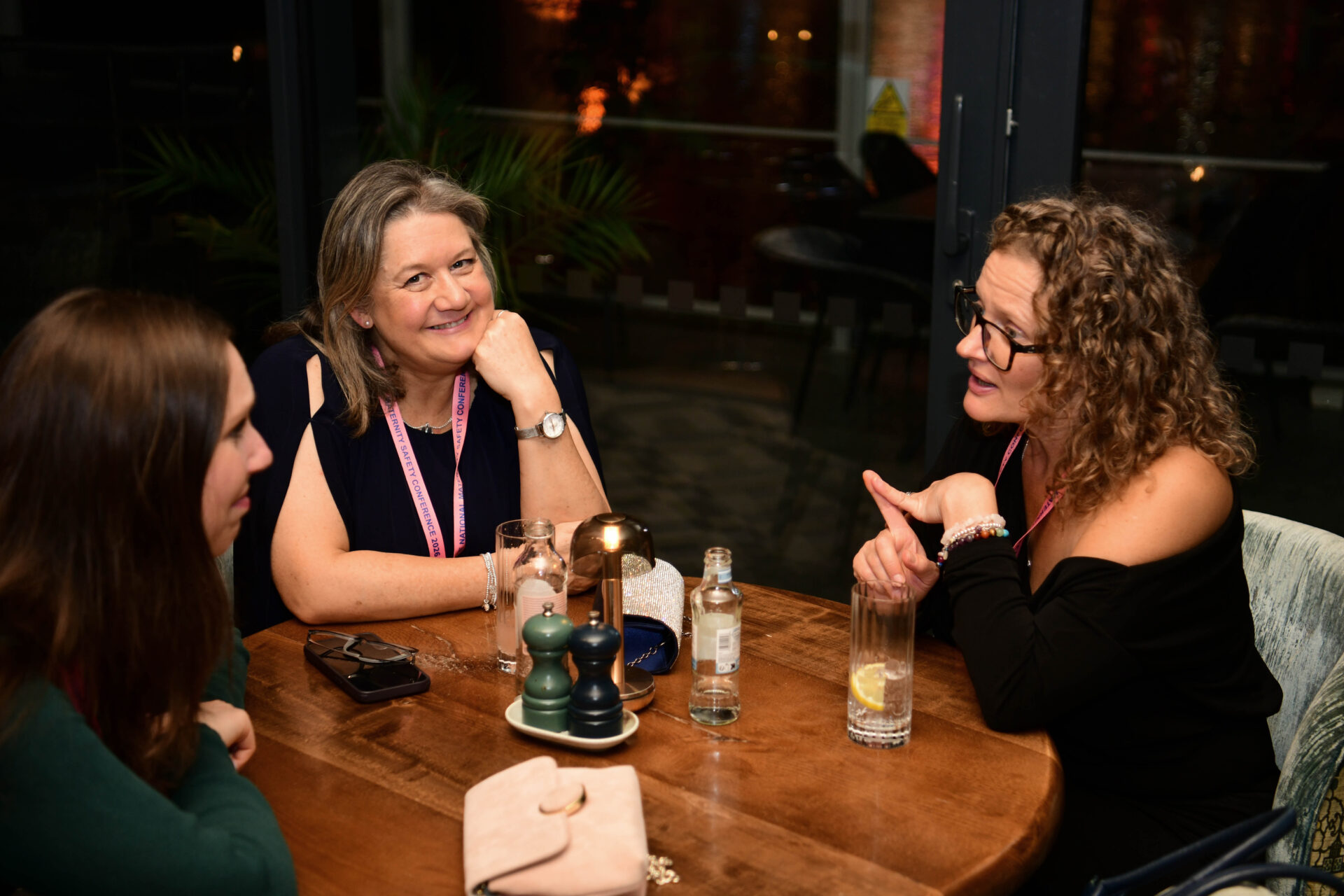
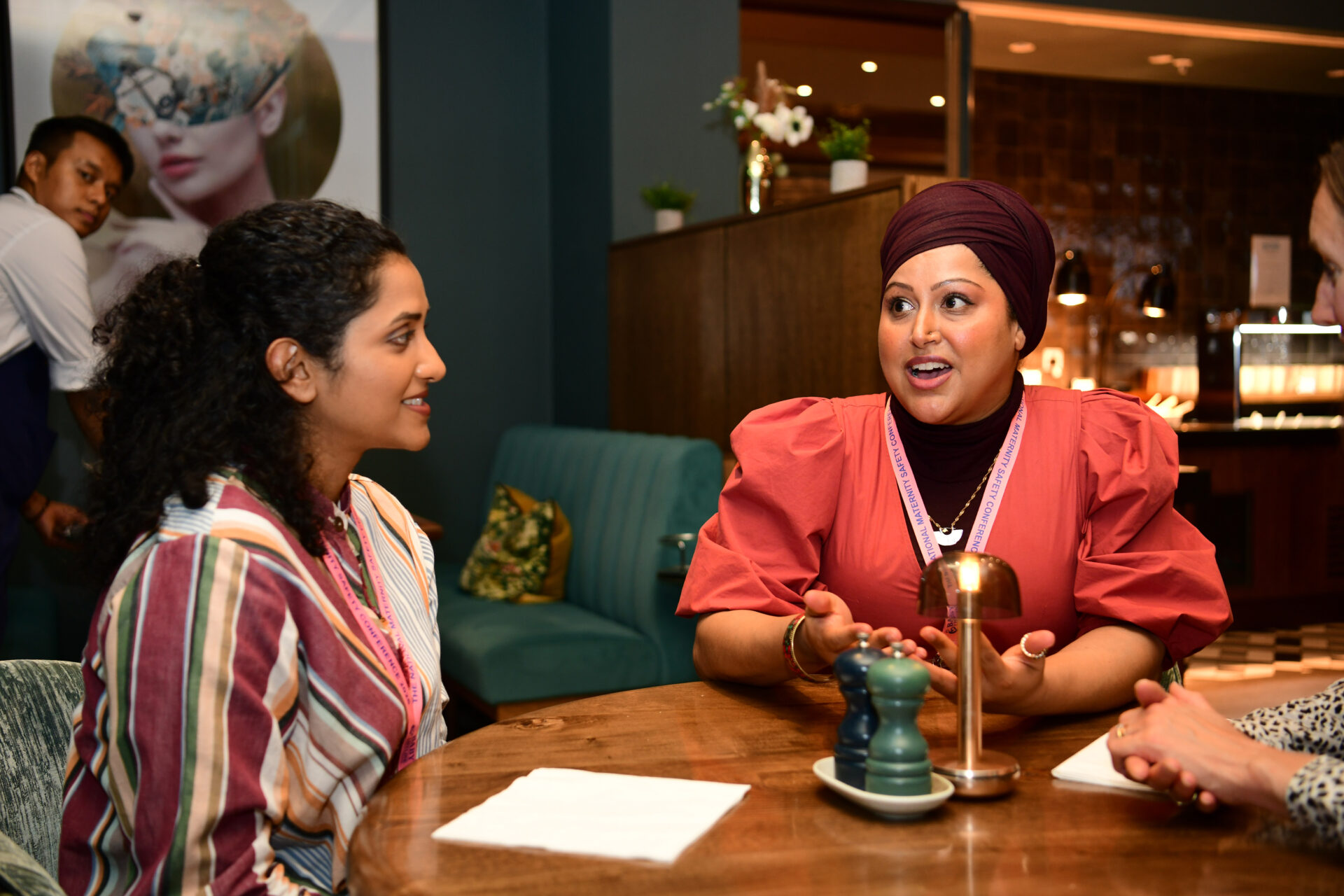
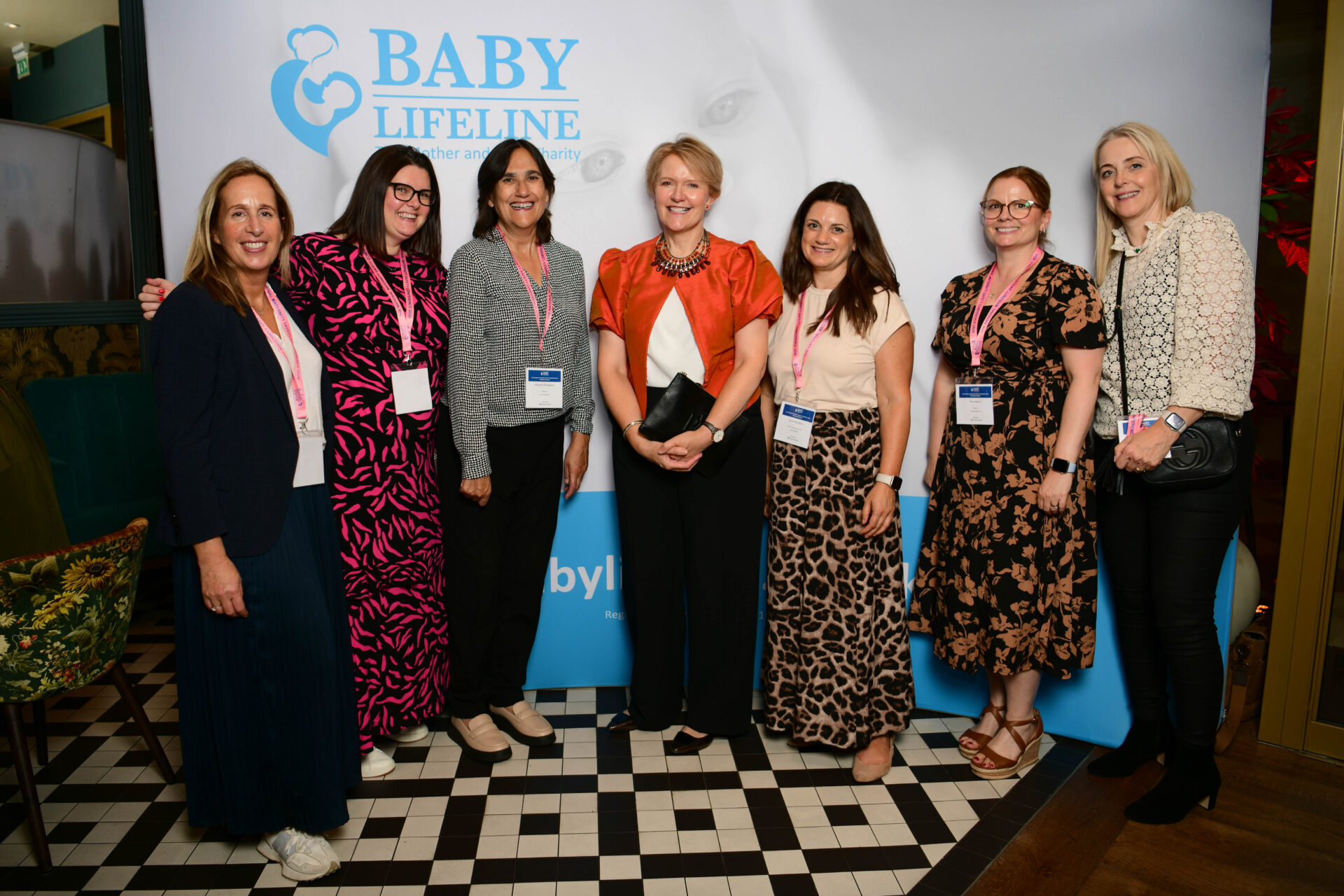
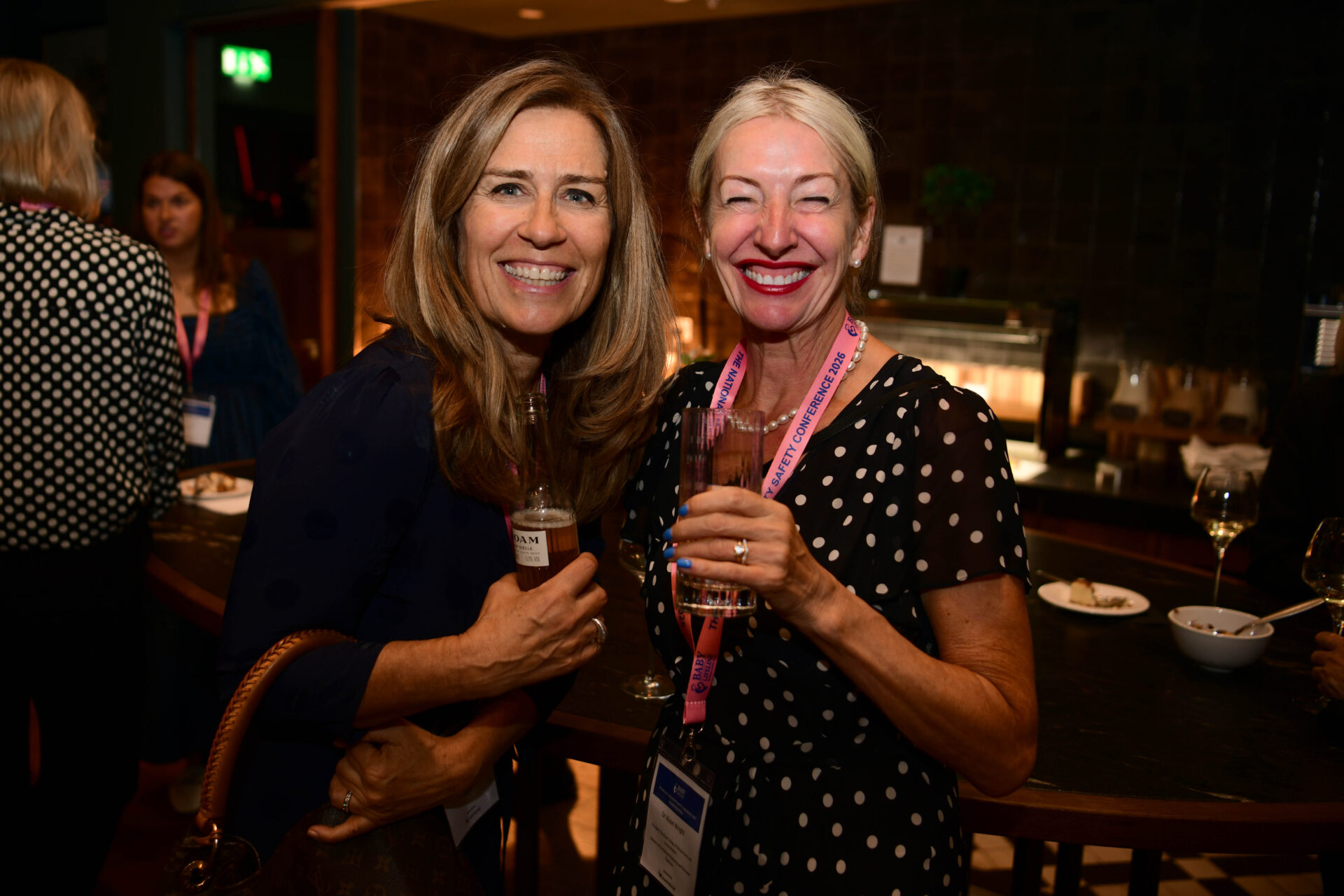
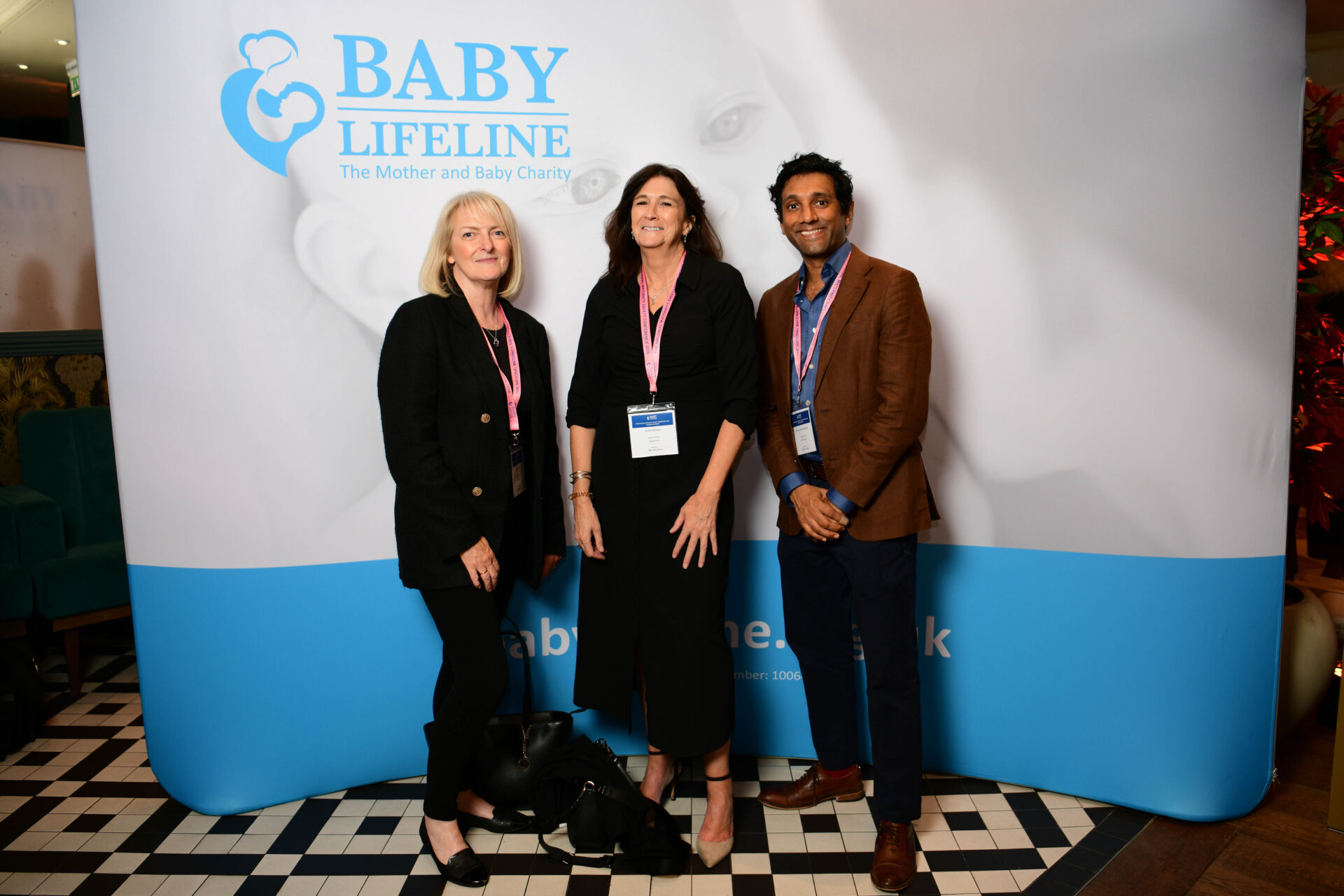
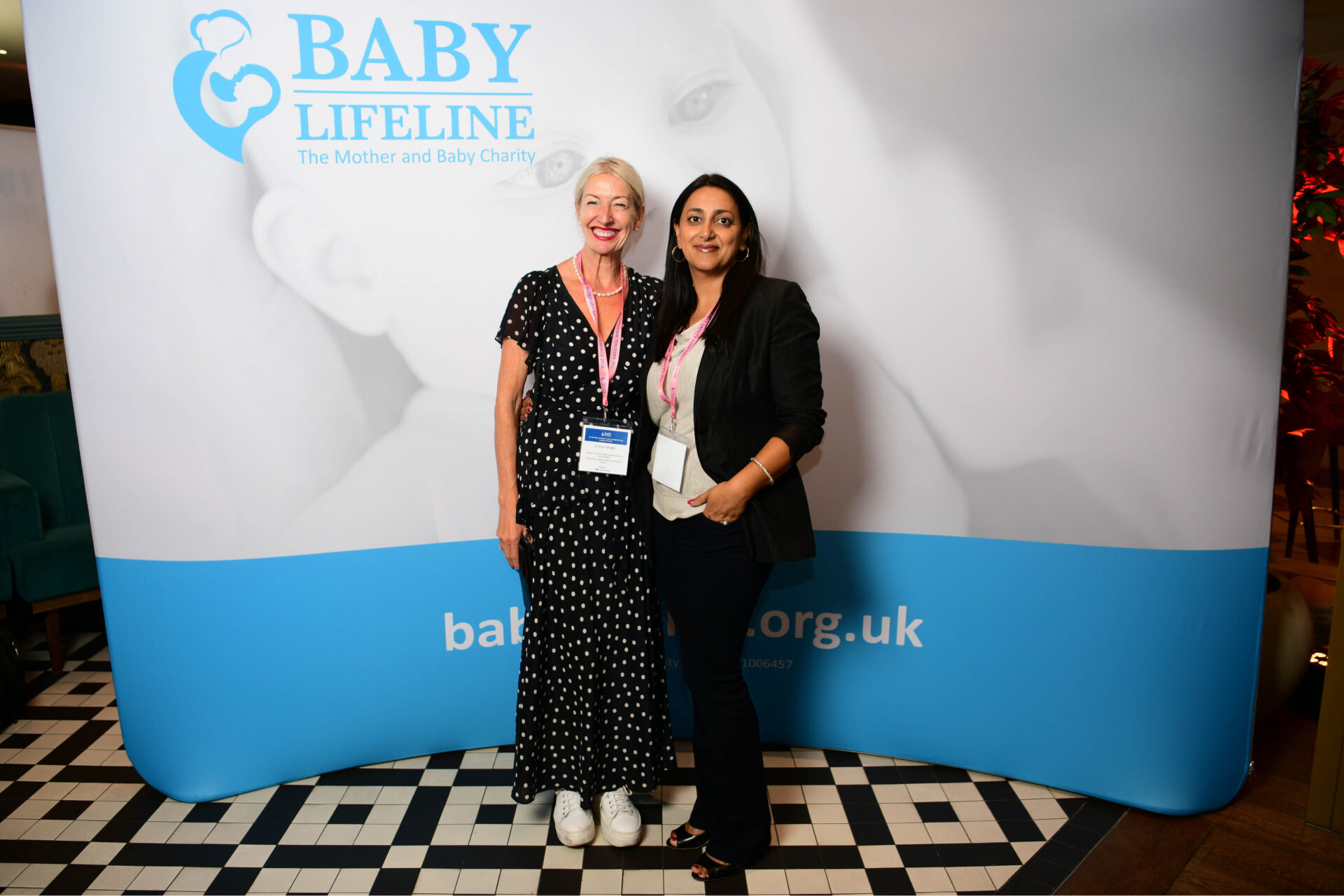
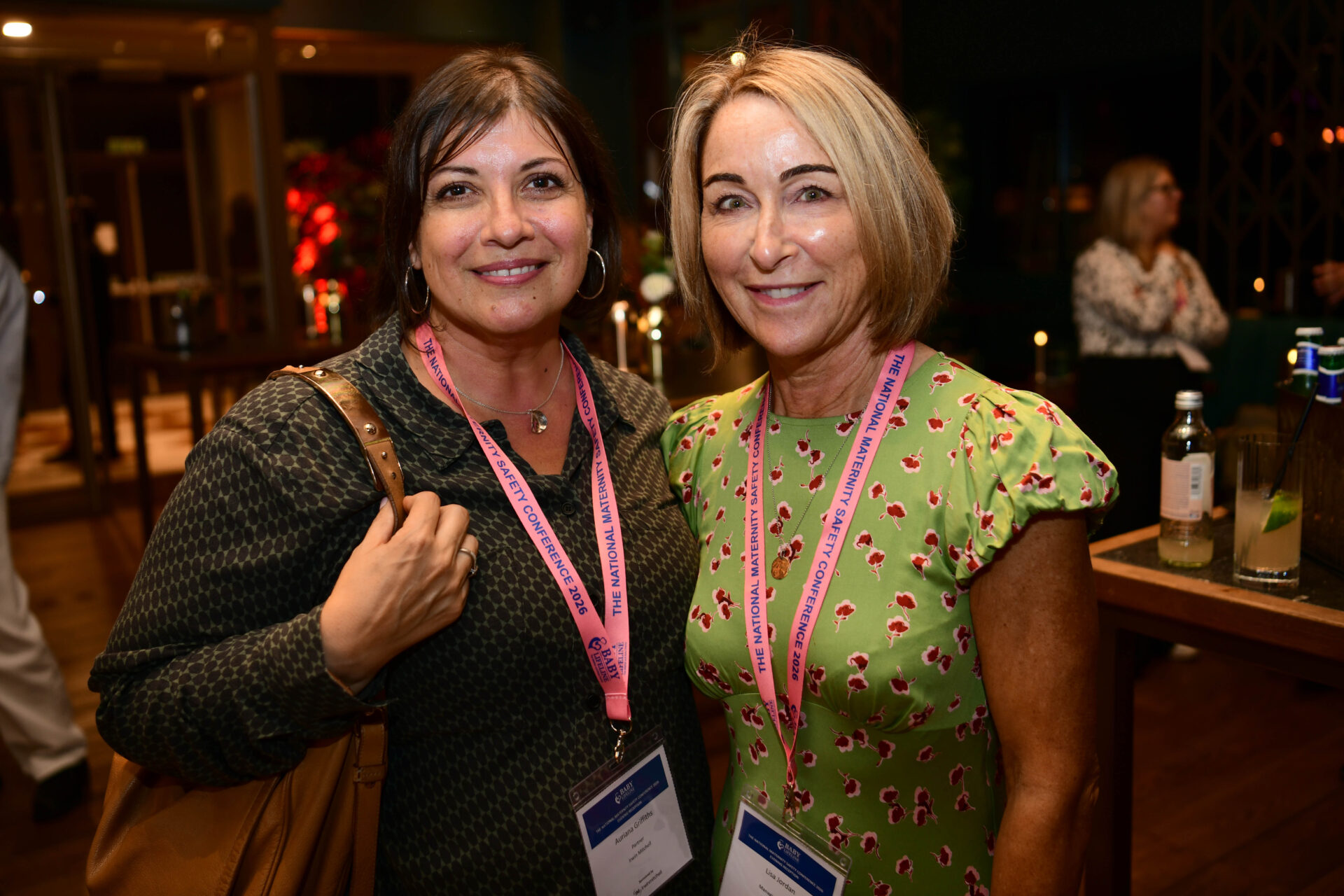
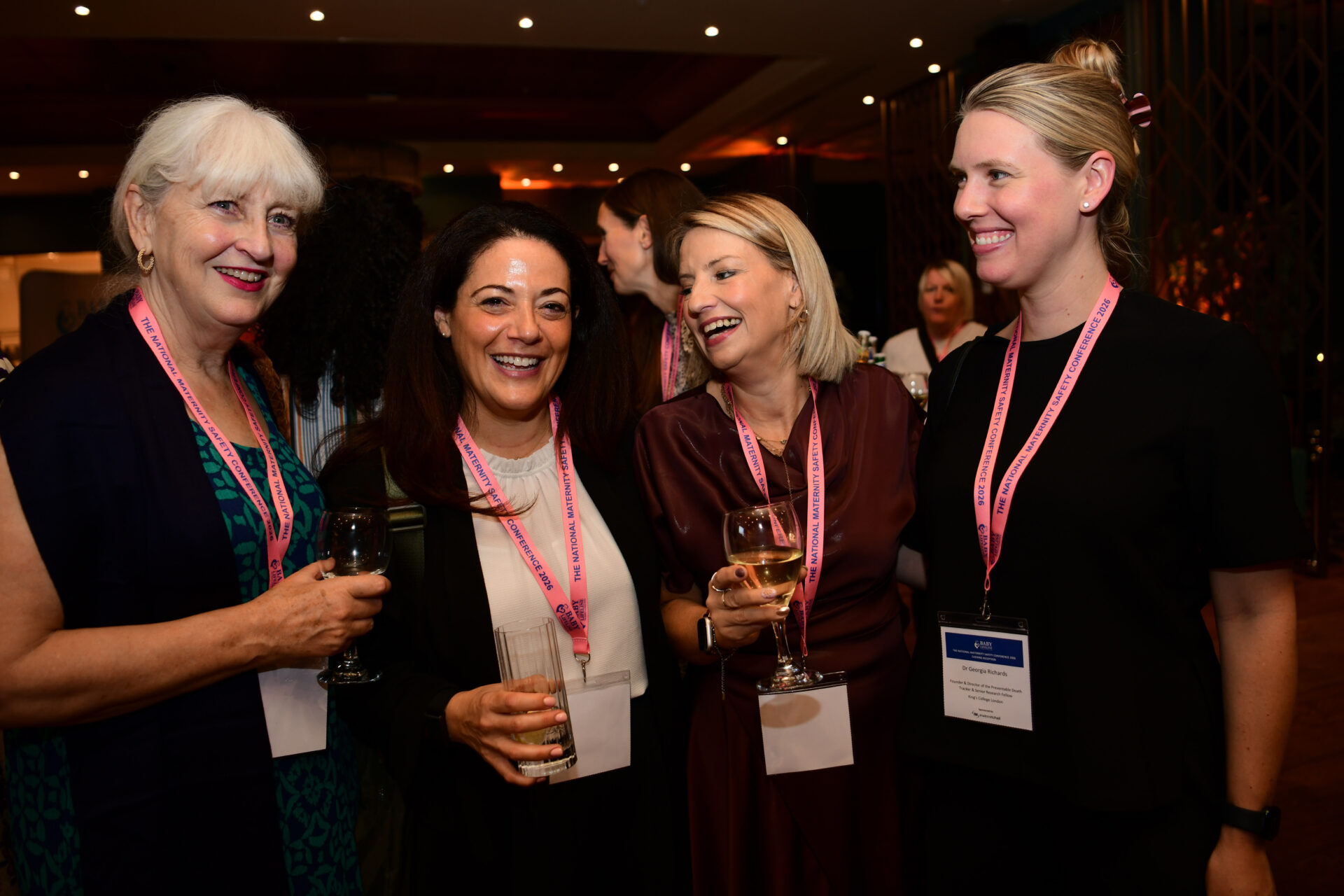
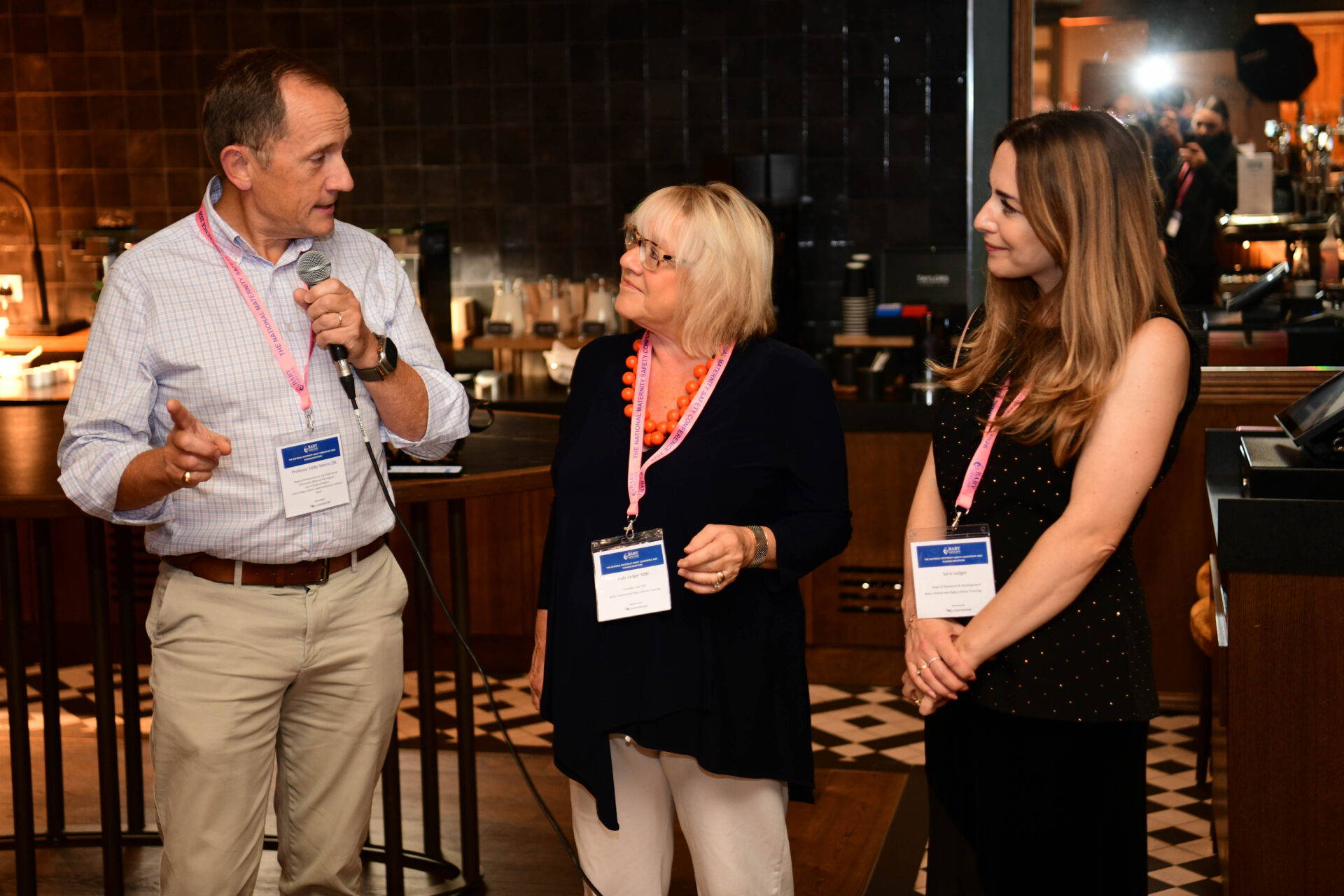
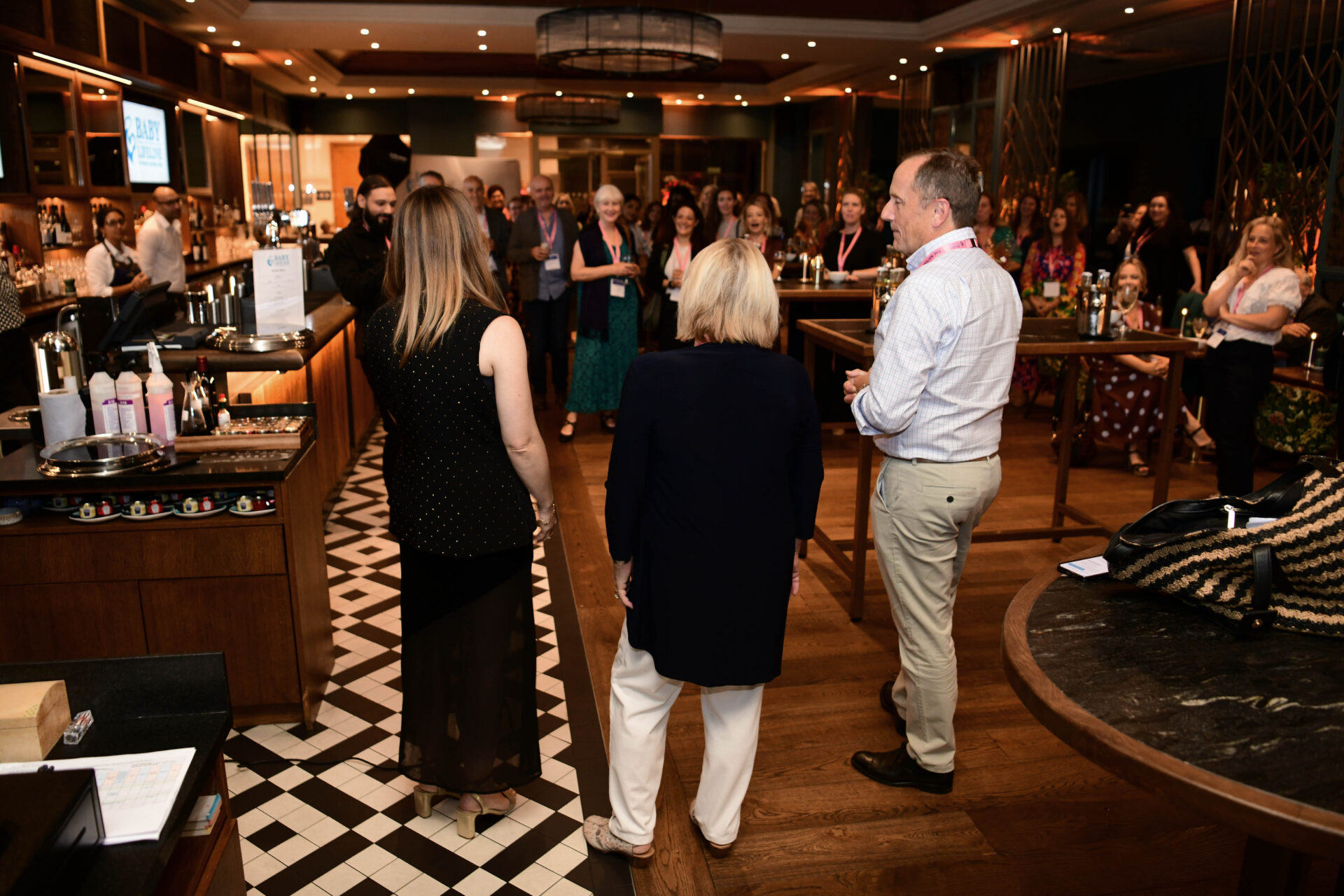
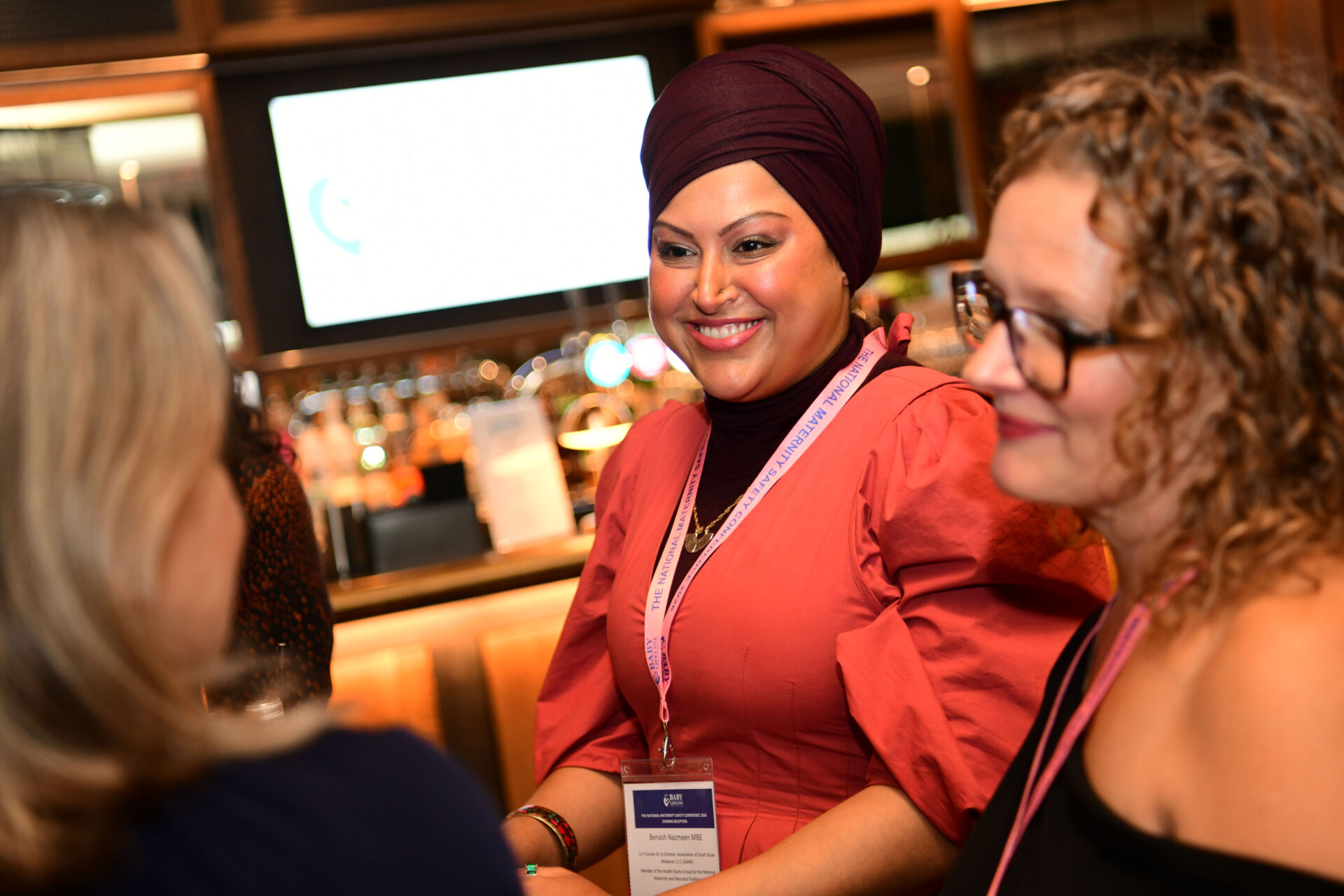
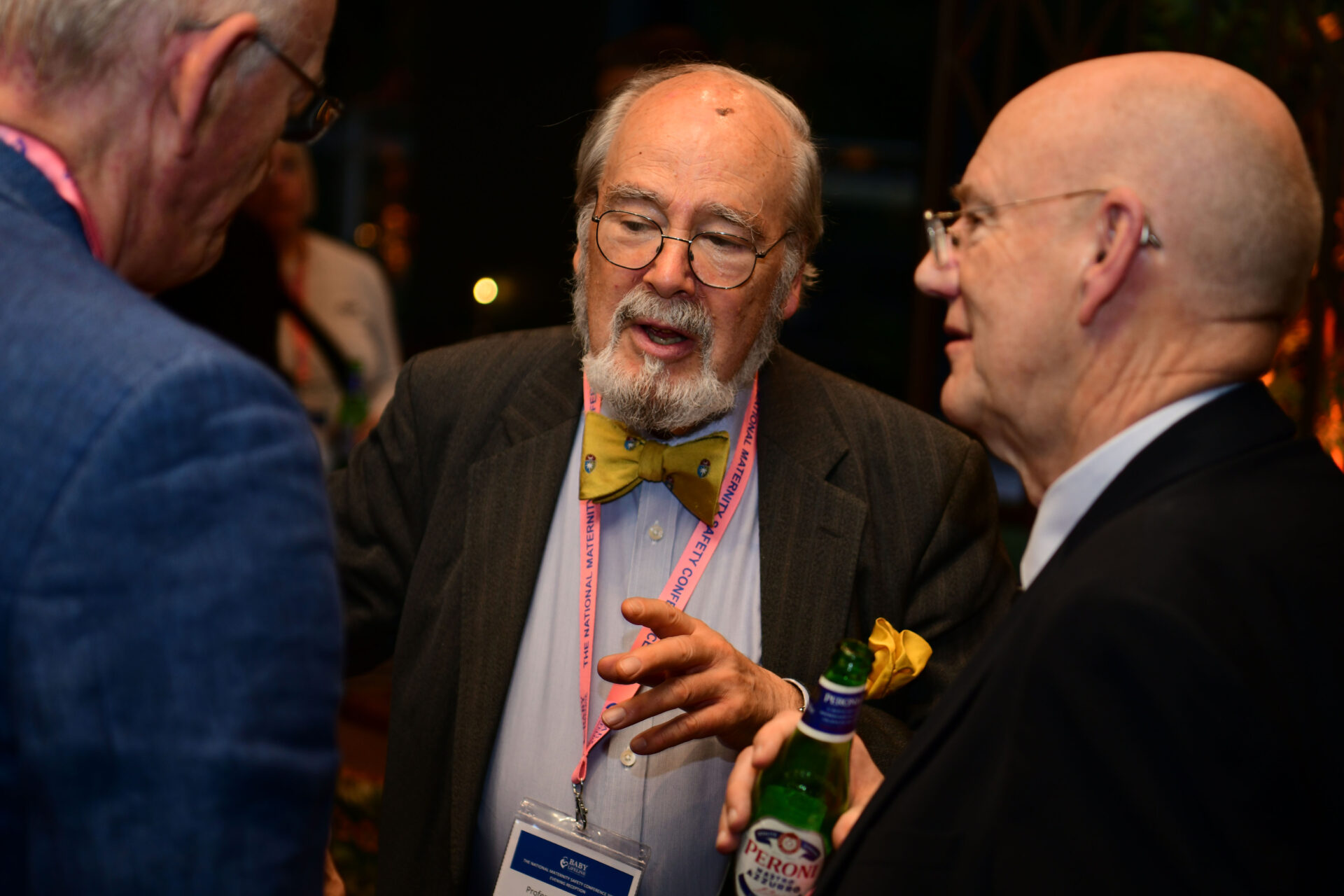
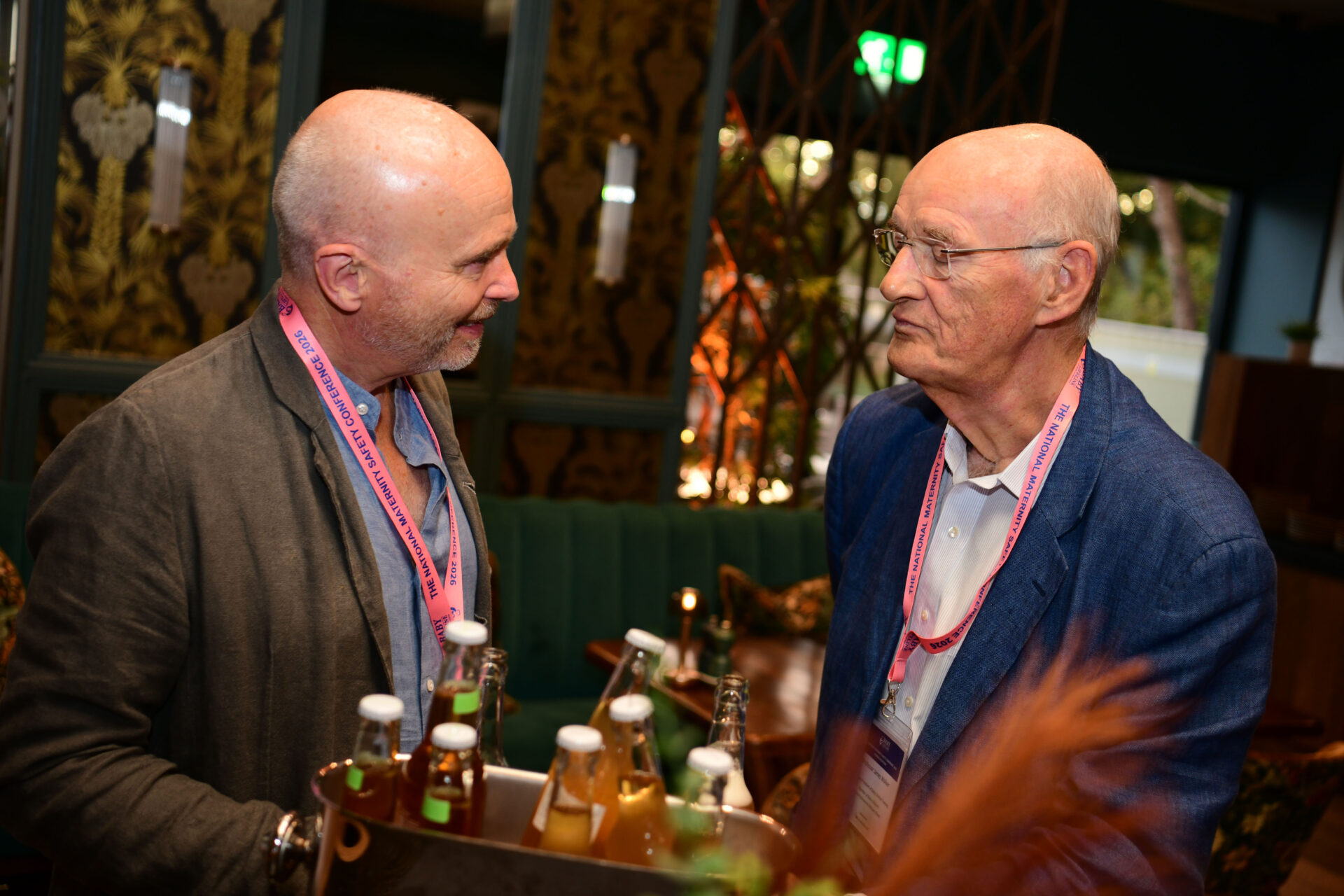
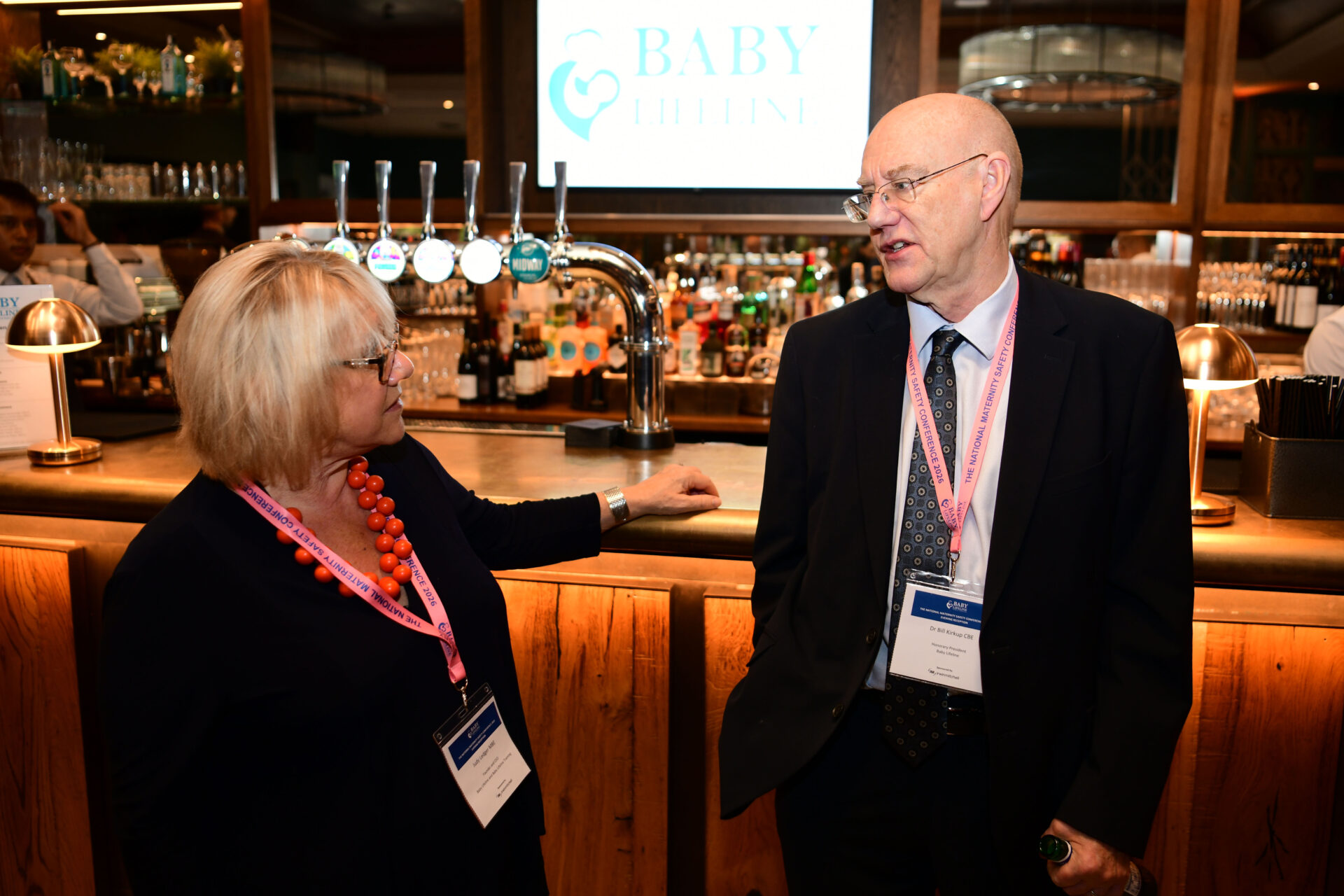
Photos from #MatSafety2026: